
Designing with the Build in Mind
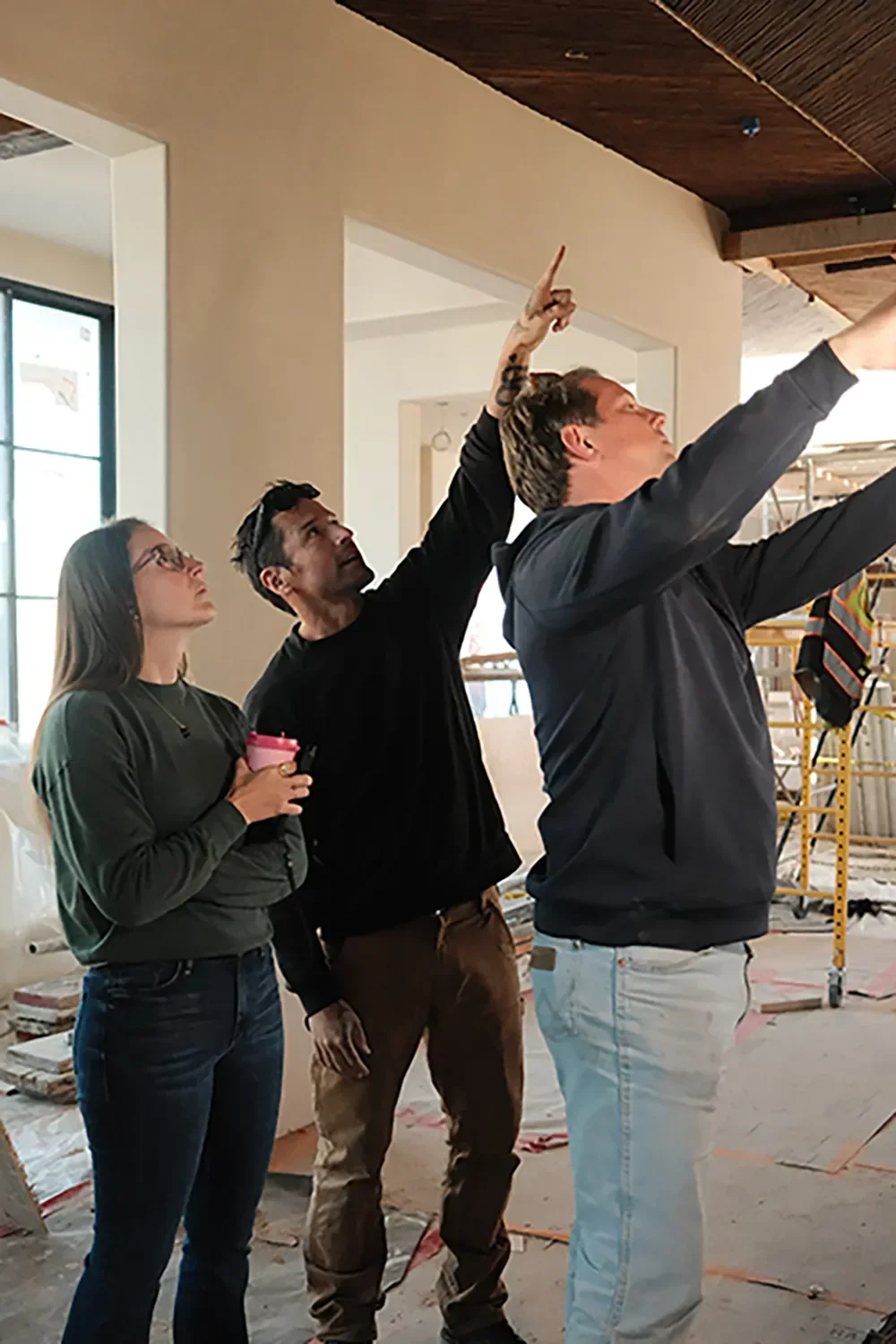
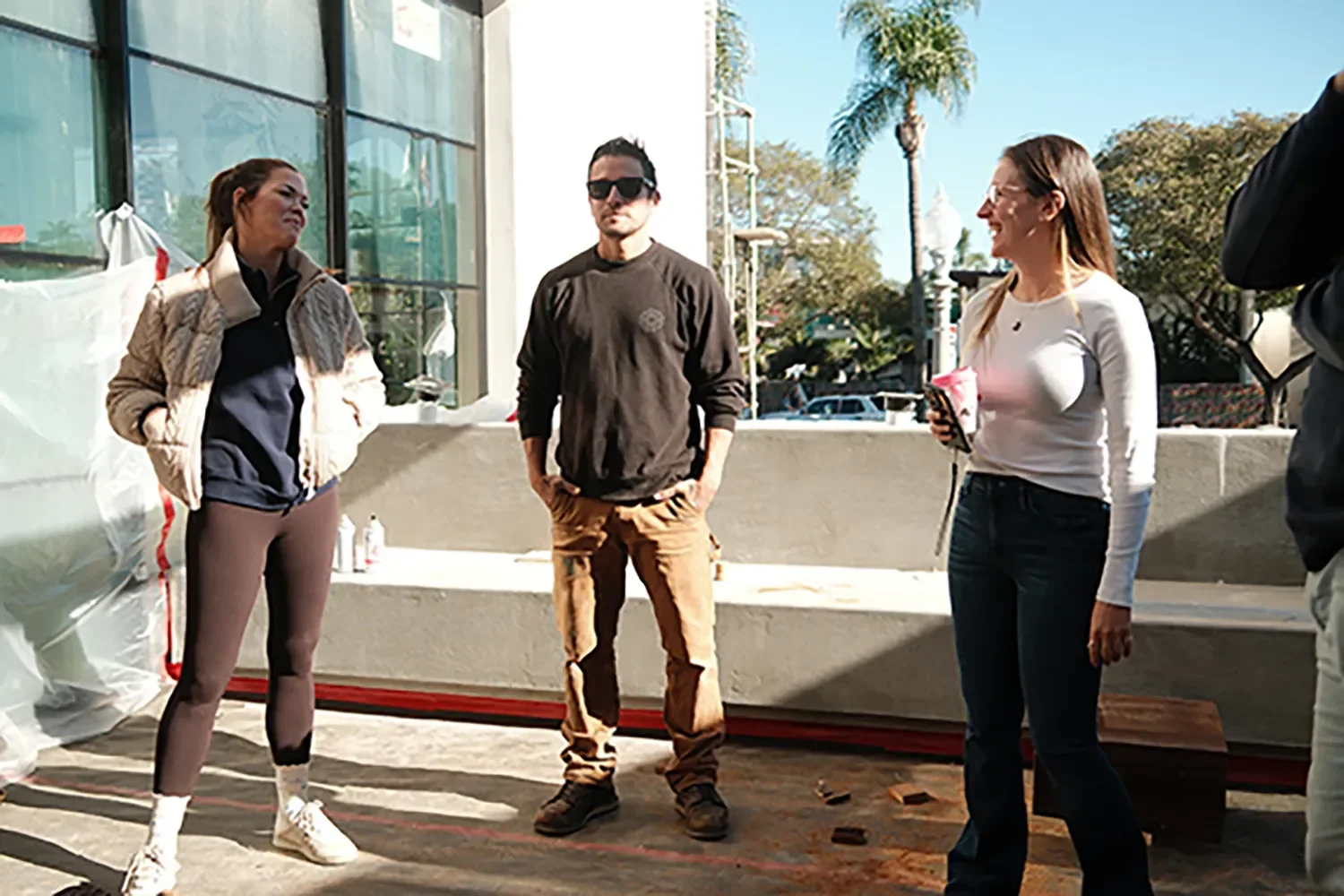
At Tecture Studio, design and construction are part of the same conversation.
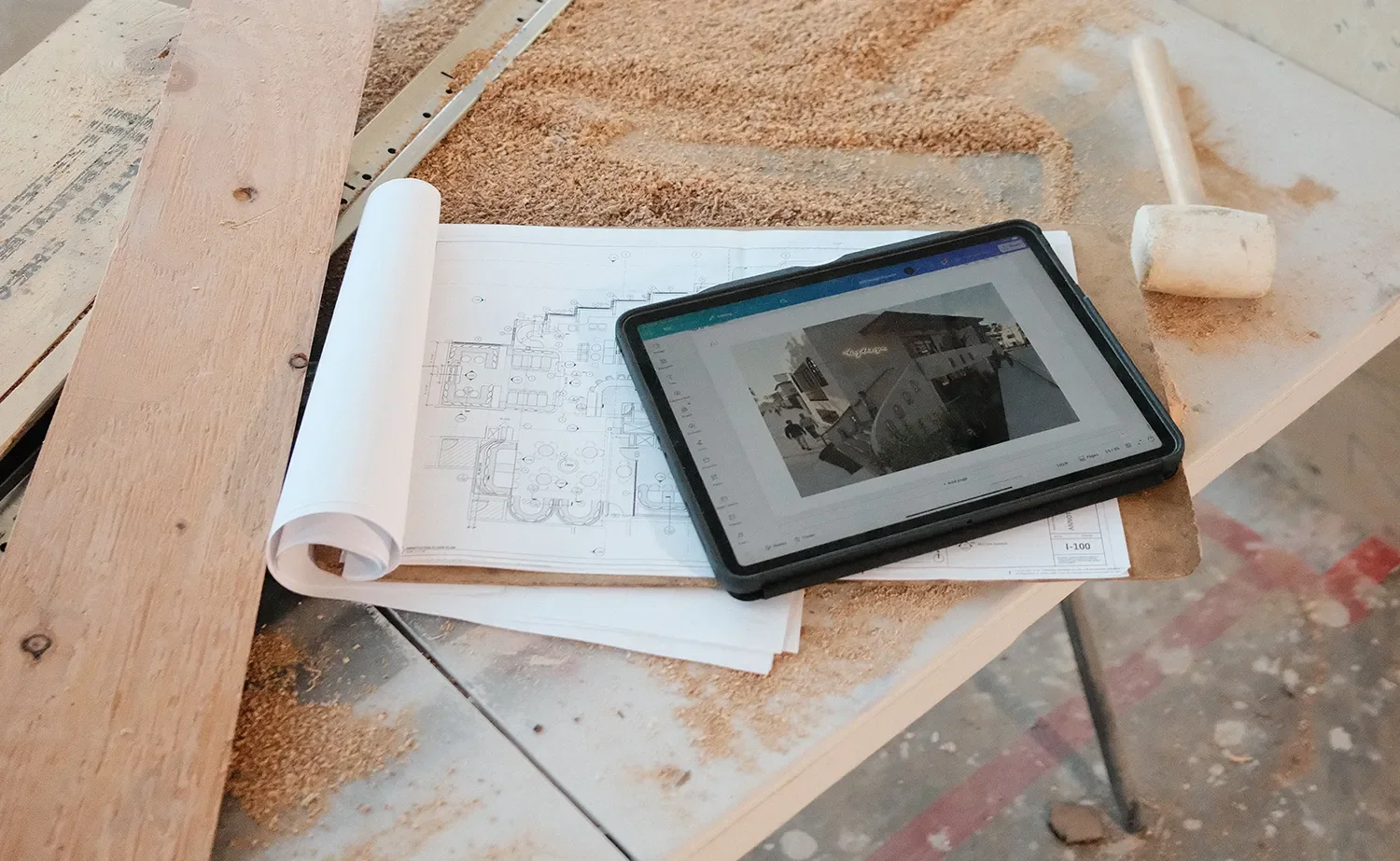
Where Design and Construction are
One Conversation
Most interiors start as an idea: a material palette, a play of light and shadow, a set of relationships between surfaces. Drawings help, but they stay theoretical until someone actually cuts, joins, and assembles the materials. That’s when a design becomes real. The best interiors plan for that moment from the very start instead, of treating construction as the last box to check. When you understand how something gets built, the result is a space that feels considered all the way down to the last junction.
Designing with Construction in Mind From the Start
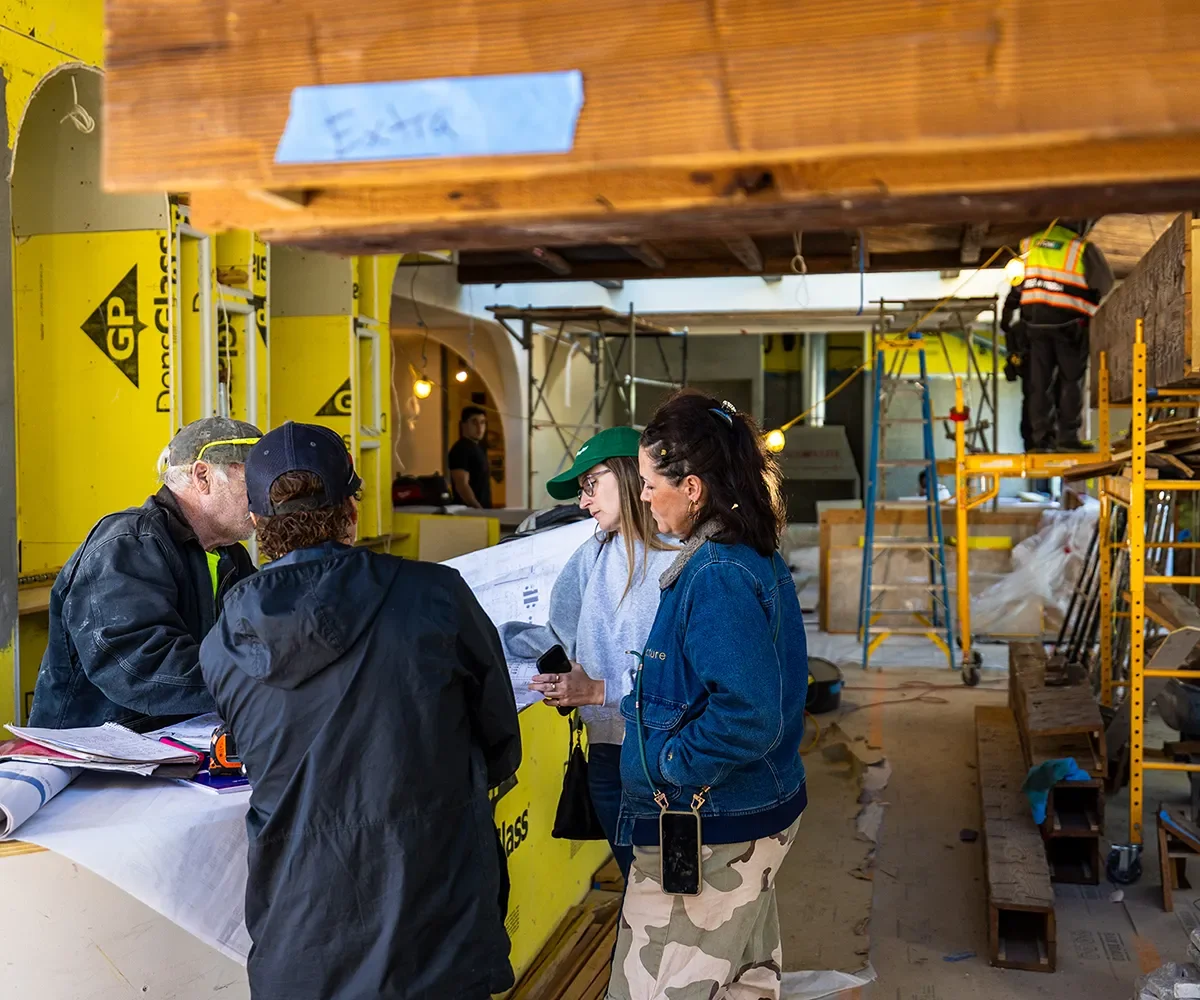
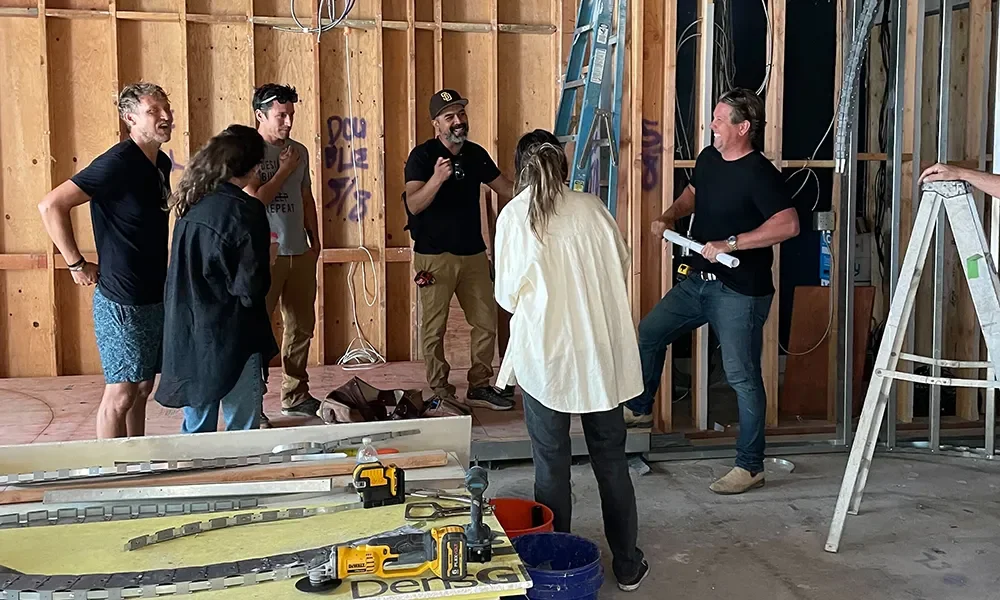
On paper, interior design looks like a tidy sequence - concept, design, documentation, construction. In practice those phases tend to blur. A detail you draw early raises questions during fabrication. A material choice changes how the trades work. When those realities show up late, the design gets watered down to fit them and the original intent slips. So we ask the practical questions while the design is still flexible. How will these two materials meet? What tolerances should we expect? Can this be built the way it’s drawn? Those questions don’t box the design in. They sharpen it.
Why Construction Knowledge Makes for Better Interiors
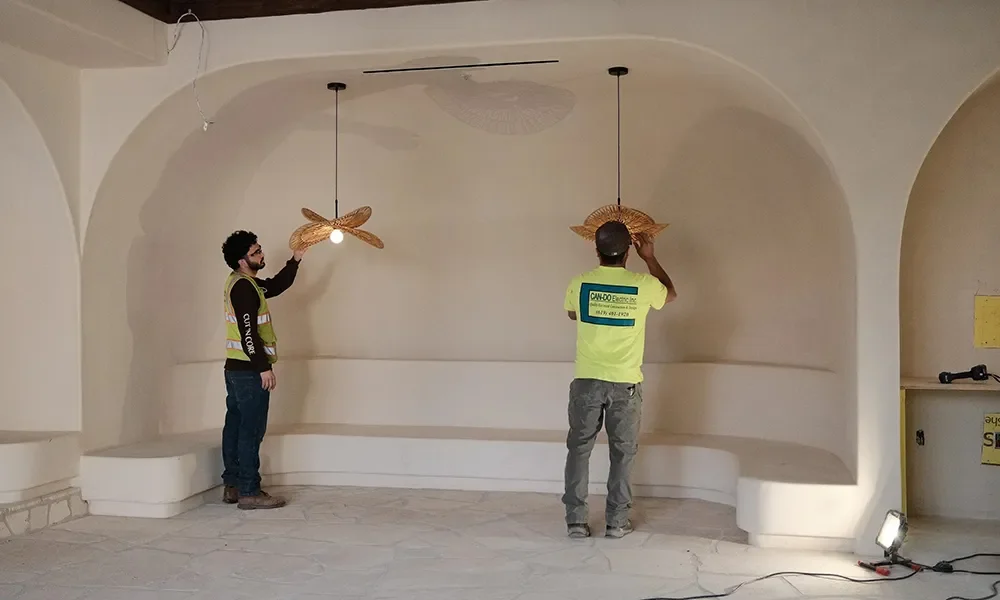
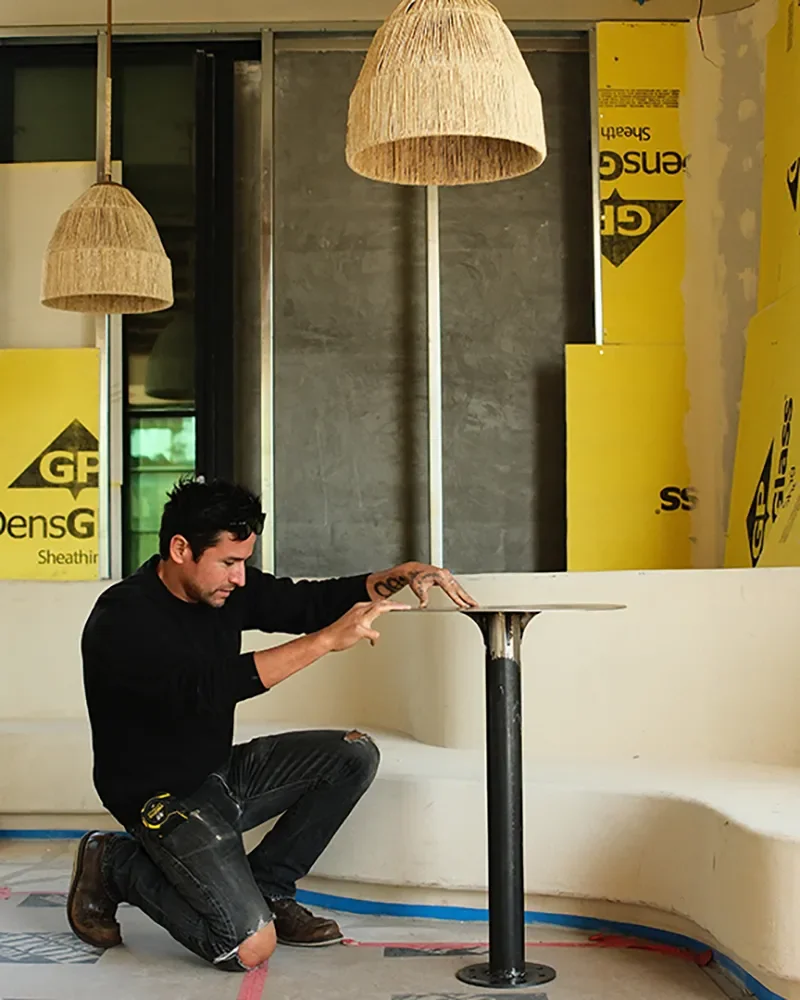
Interior design happens at the scale where architecture becomes something you can touch. You pass within inches of a wall, lighting turns into atmosphere, materials stop being images and become physical. At the range, small decisions carry weight. A reveal that’s a little too wide can unsettle a quiet wall. A fixture hung off axis throws a calm room off balance. You don’t catch those in a concept sketch; they show up between the drawing and the build. A designer who understands fabrication is composing assemblies, not just forms, and that’s what keeps the idea intact once it’s standing.
Custom Details, Tolerances, and the Joints
in Between
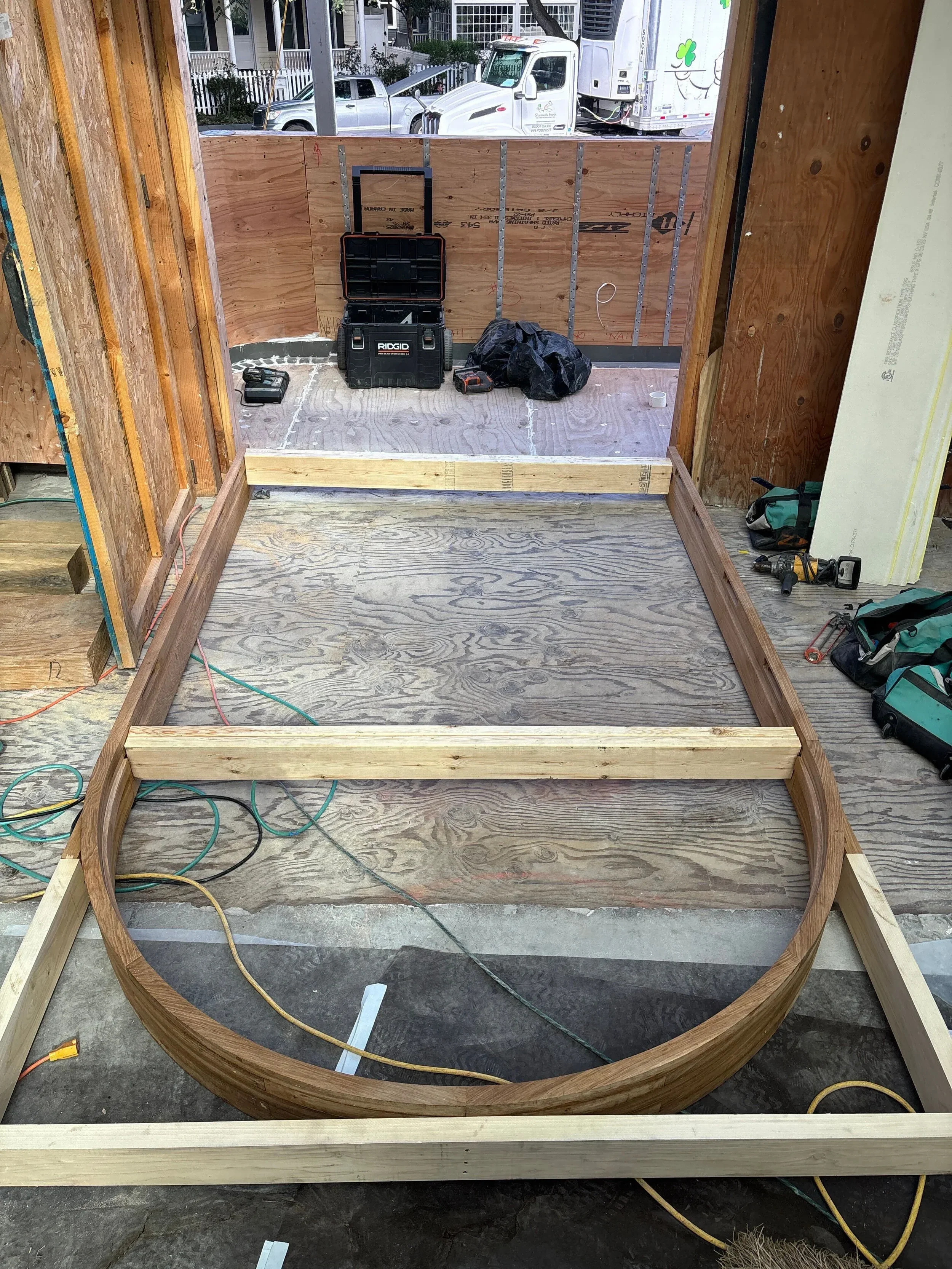
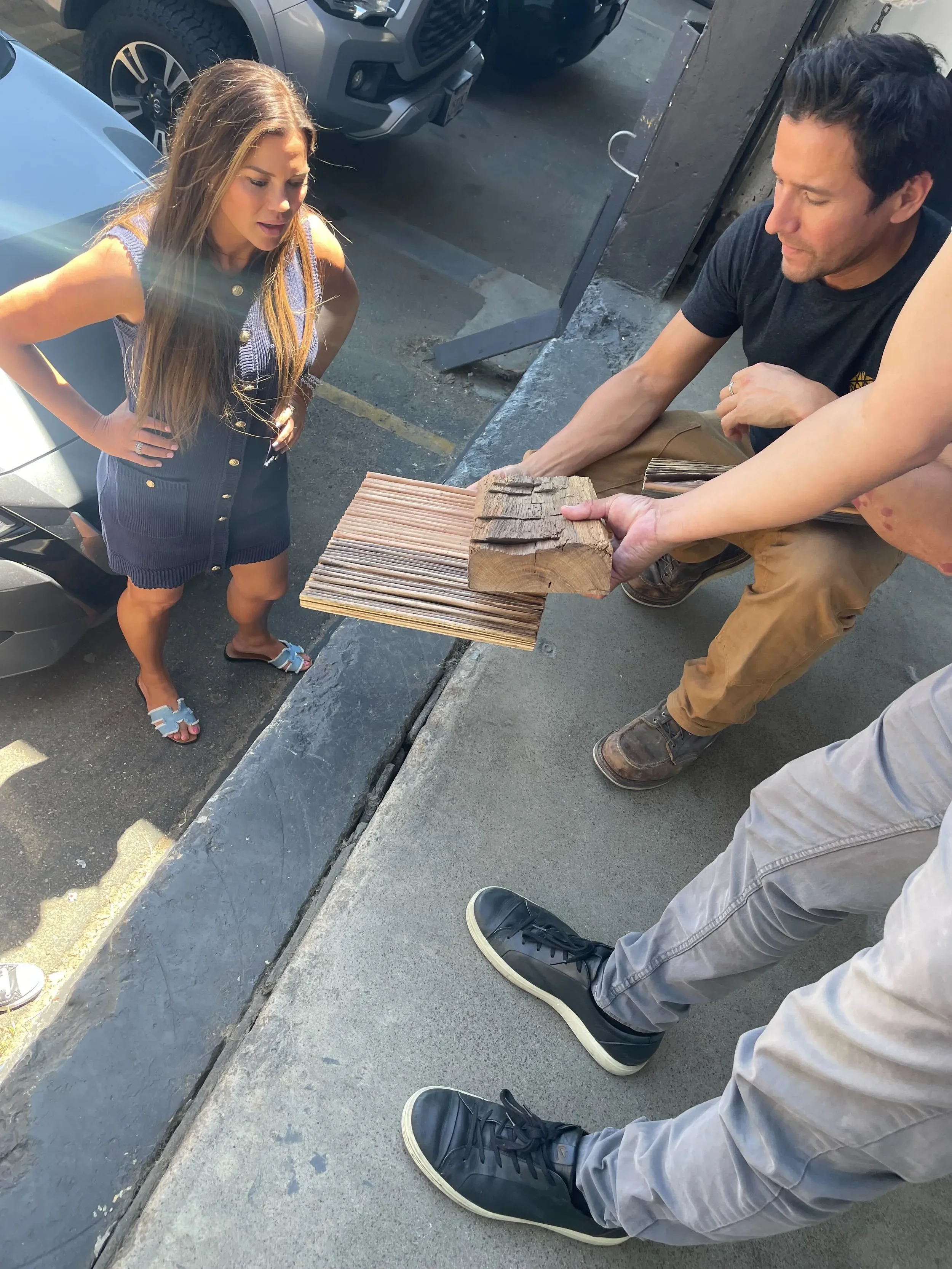
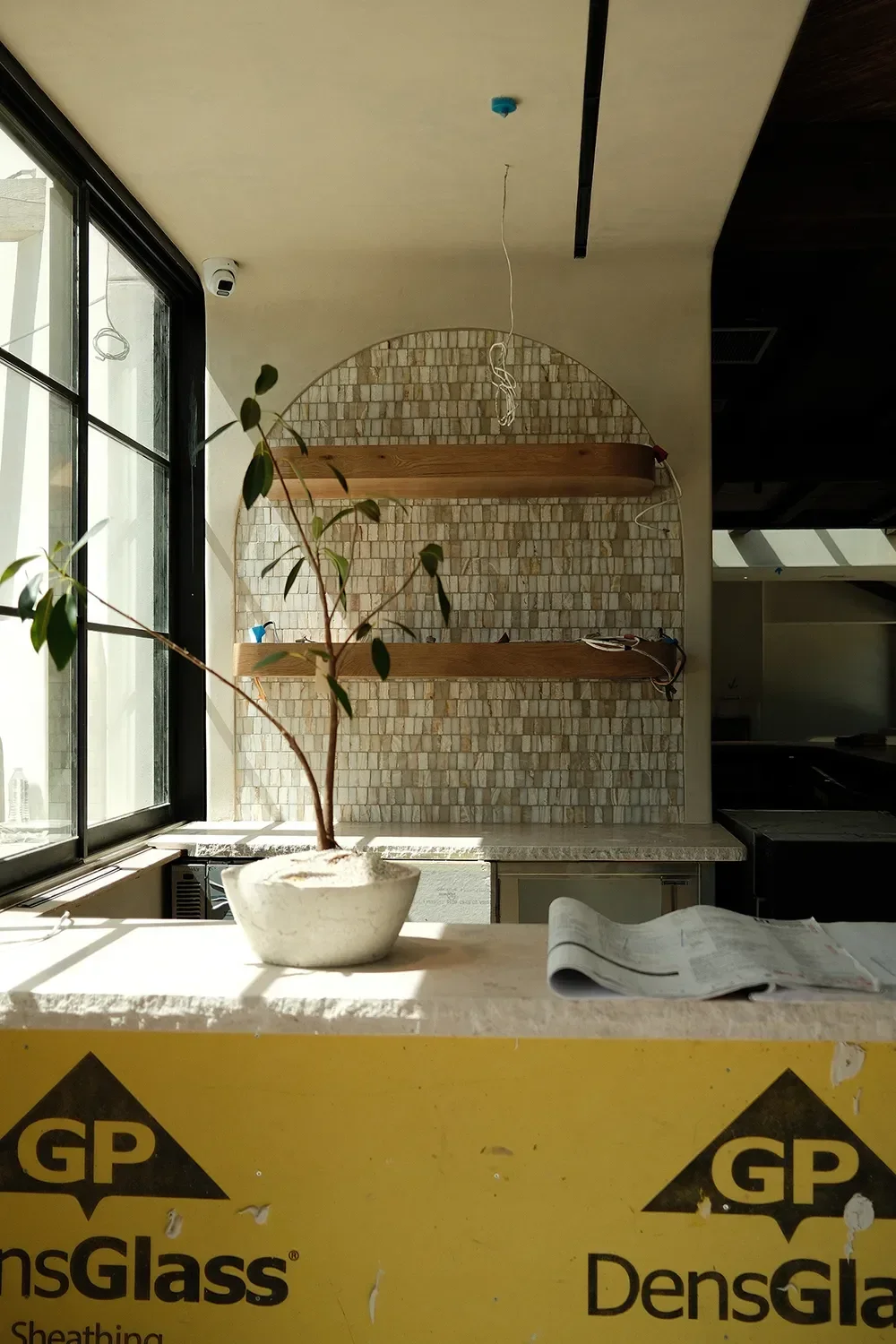
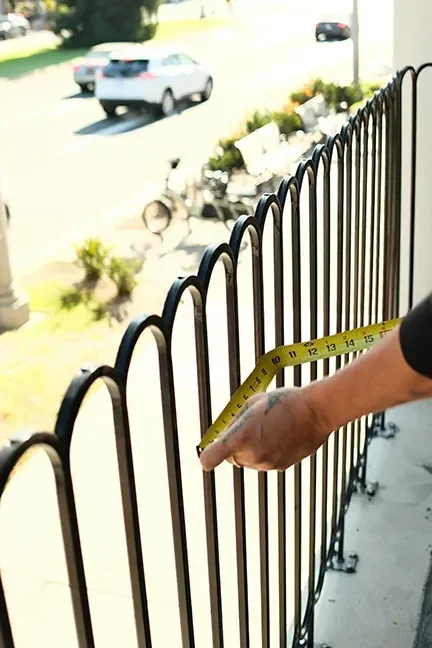
Standard trim and typical layouts are everywhere, and they’re fine, but they rarely make a space feel like anything. Custom details are where intent lives; a recessed base that lets a wall read as one clean plane, or lighting built right into the millwork. Pulling those off means respecting how materials behave. Steel has limits, wood moves with humidity, stone sets its own joint lines. It also means designing for tolerance, because real walls are never perfectly straight and small variations add up on site. A well-placed shadow gap absorbs that movement while still looking deliberate. Same with joints, where wall meets floor or wood meets metal. If planned early, they feel intentional; improvised late, they become patchwork. Get them right and the space reads as one coherent system.
From Drawing to Experience
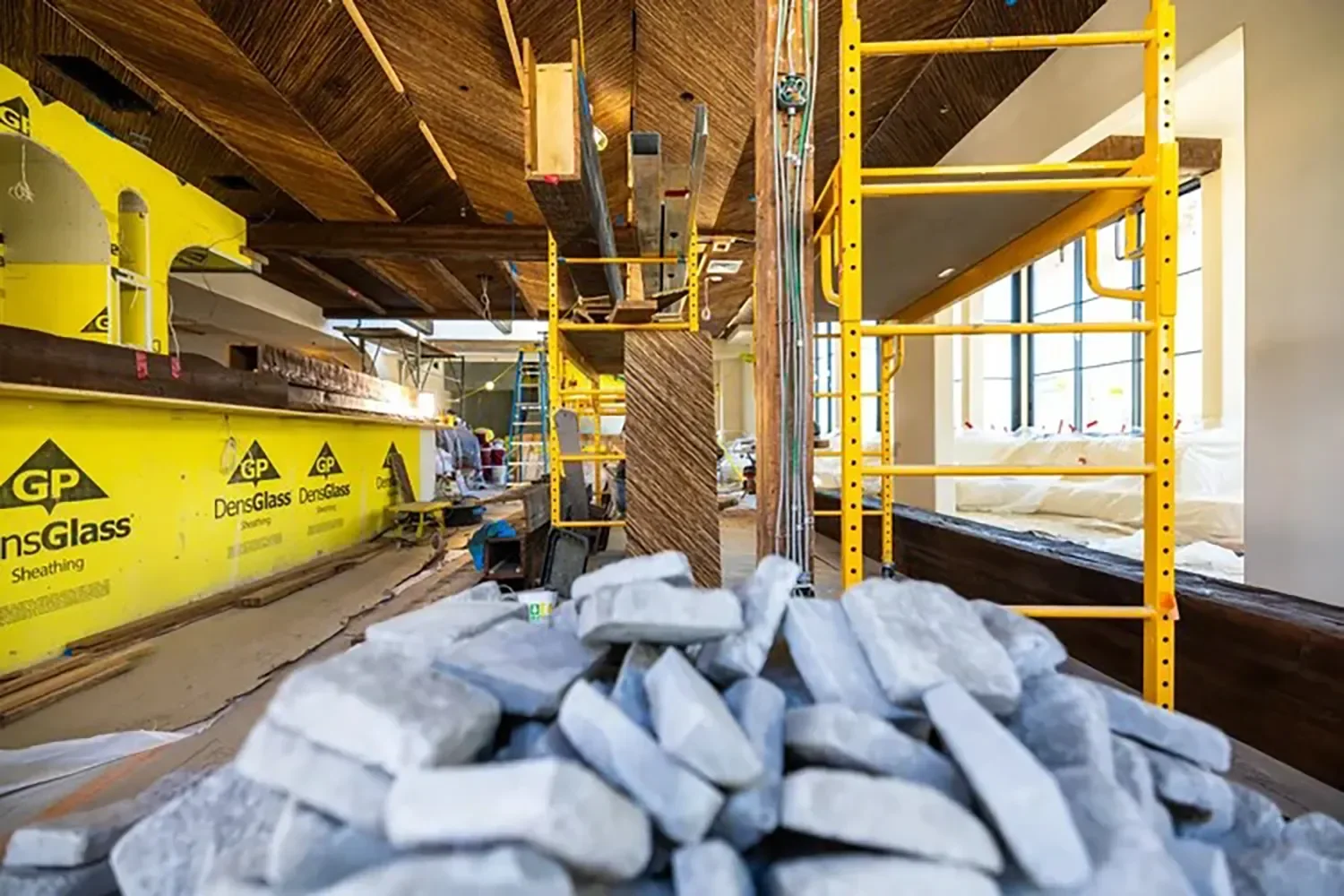
Construction follows an order. Framing before drywall, millwork after finished walls, lighting that depends on a few trades coordinating. Ignore that order and simple ideas get complicated on site. Work with it and you protect the design the whole way through. An interior is ultimately judged by experience: how light moves across a surface, how a material feels up close, how clearly the space reads as you move through it. When the build is anticipated from the start, those qualities survive, and the space feels composed instead of improvised. On screen it looks resolved. In the room, it actually is.
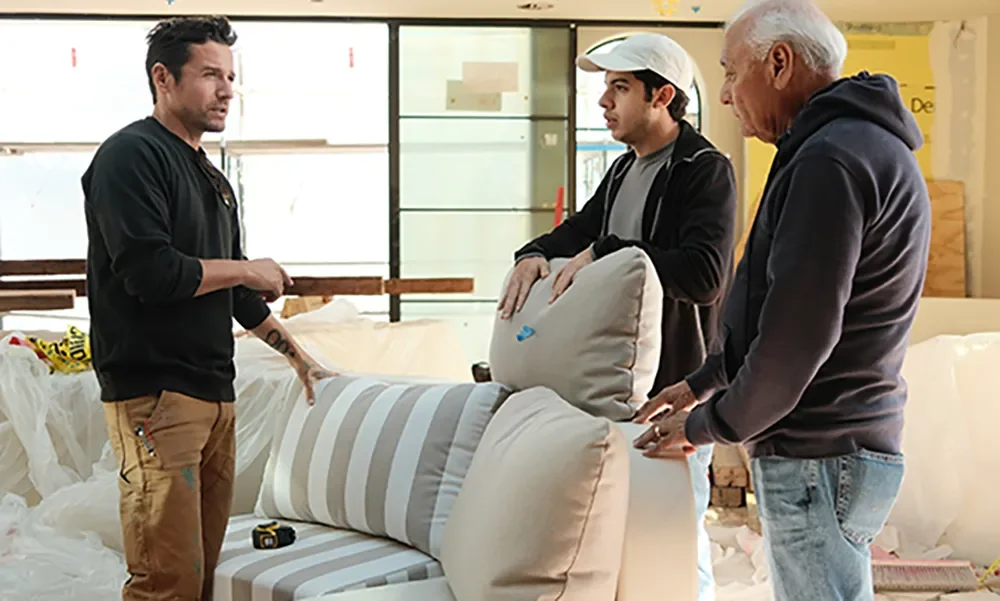
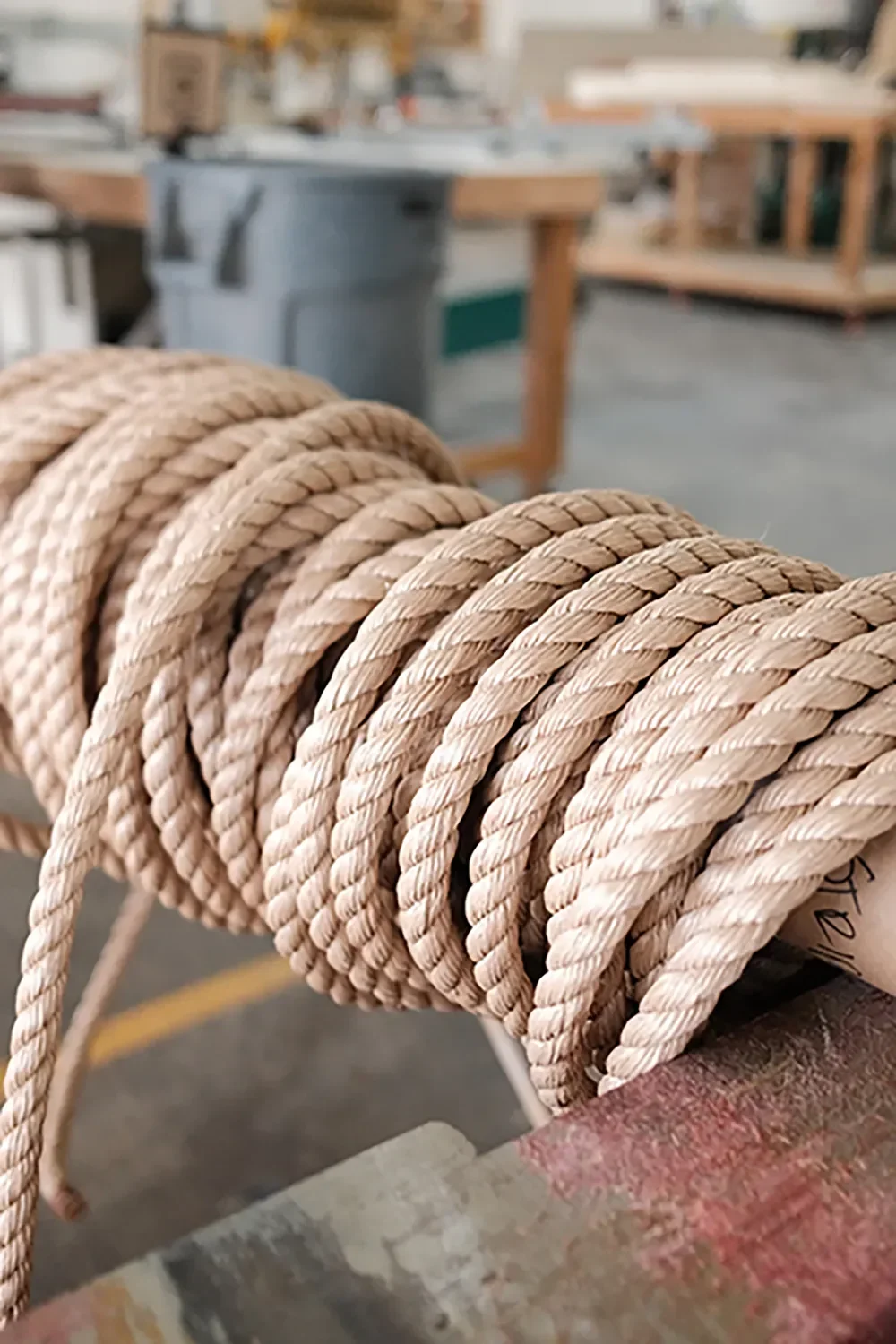
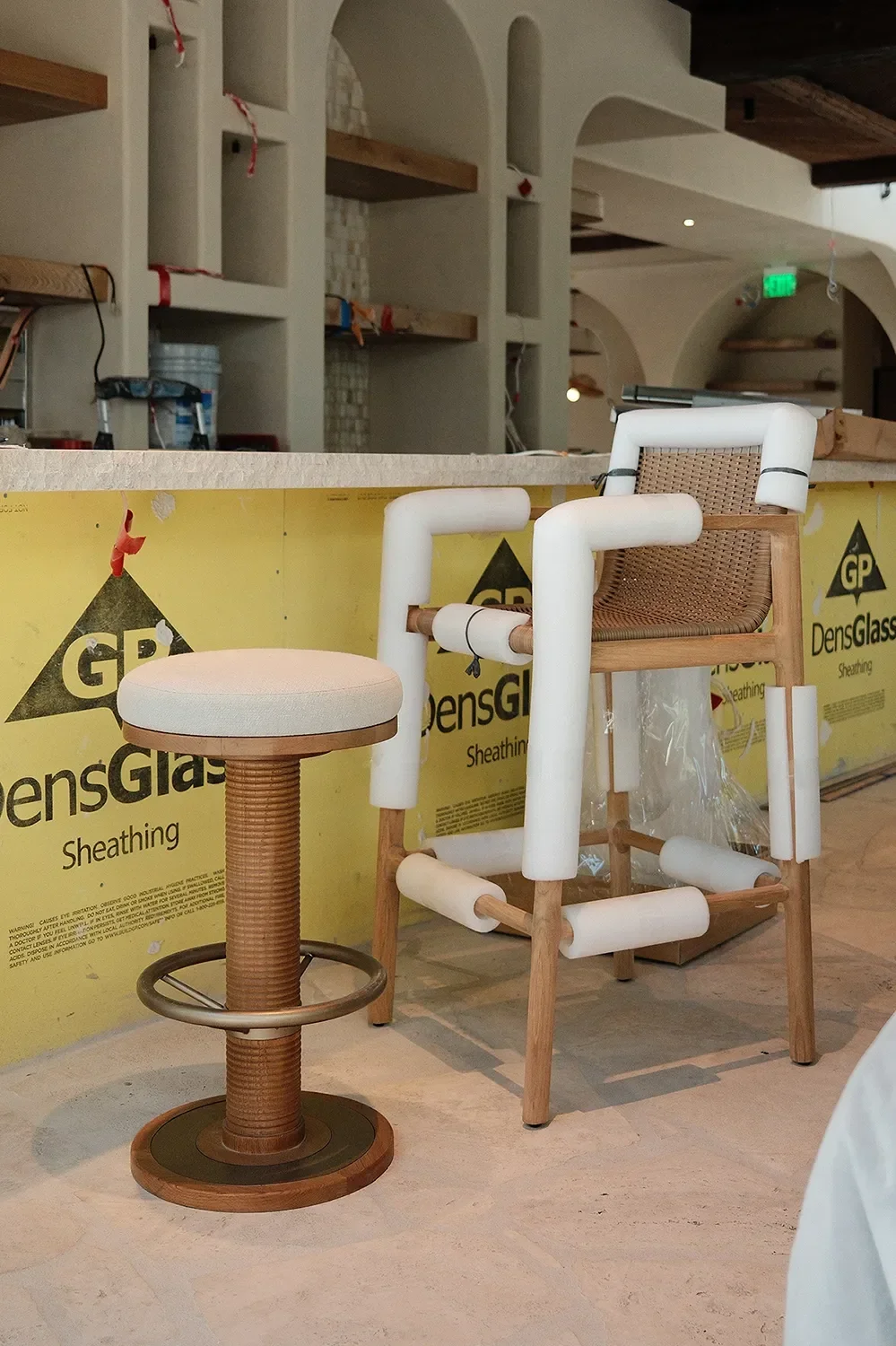
This is the core of how Tecture Studio works. Our interior design is backed by in-house fabrication, a real design-build collaboration, so we can develop details with a clear understanding of materials, tolerances, and sequencing. The result is design that carries its intent all the way through the build, here in San Diego and across
Southern California.
FAQ
-
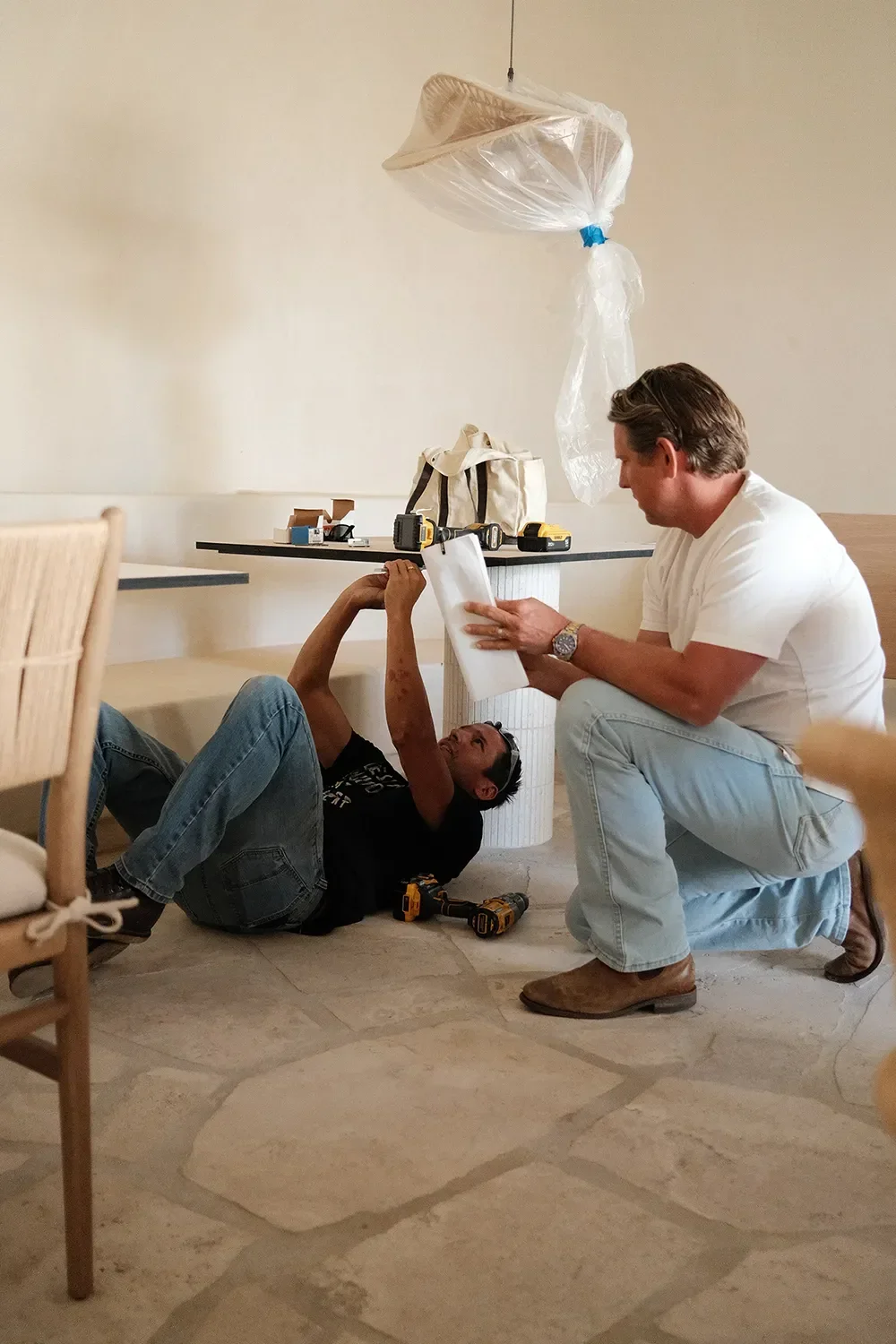
In a traditional setup, you hire a designer, then hand the drawings to a separate building to interpret. Design-build keeps those roles in one conversation from the start. For us, that means our interior design and our in-house fabrication develop together, so the people drawing a detail and the people making it are on the same team. Fewer translation gaps, and the finished space stays closer to the original idea.
-
Not necessarily! The earlier we’re involved, the more we can shape, but we can also come in later to develop details, custom elements, or the fabrication side of an existing design. We’ll be straight with you about where there’s still room to improve the outcome and where the big decisions are already locked.
-
It front-loads some thinking, but the payoff usually shows up later as fewer surprises, fewer field improvisations, and less rework once construction has started. Every project is different, so the real budget and schedule depends on scope. We’d rather walk you through honest numbers for your specific project than quote a generic figure.
-
Both! The same approach applies to a ground-up build or a renovation inside an existing building. If anything, existing spaces come with more real-world constraints, the kind of conditions that reward thinking about construction early.
Want more of Tecture’s design insights?
Sign up for our newsletter to get regular updates sent directly to your inbox.
