
Designing Beyond the Amenities
How intentional interior design drives leasing and resident retention across Southern California multifamily.
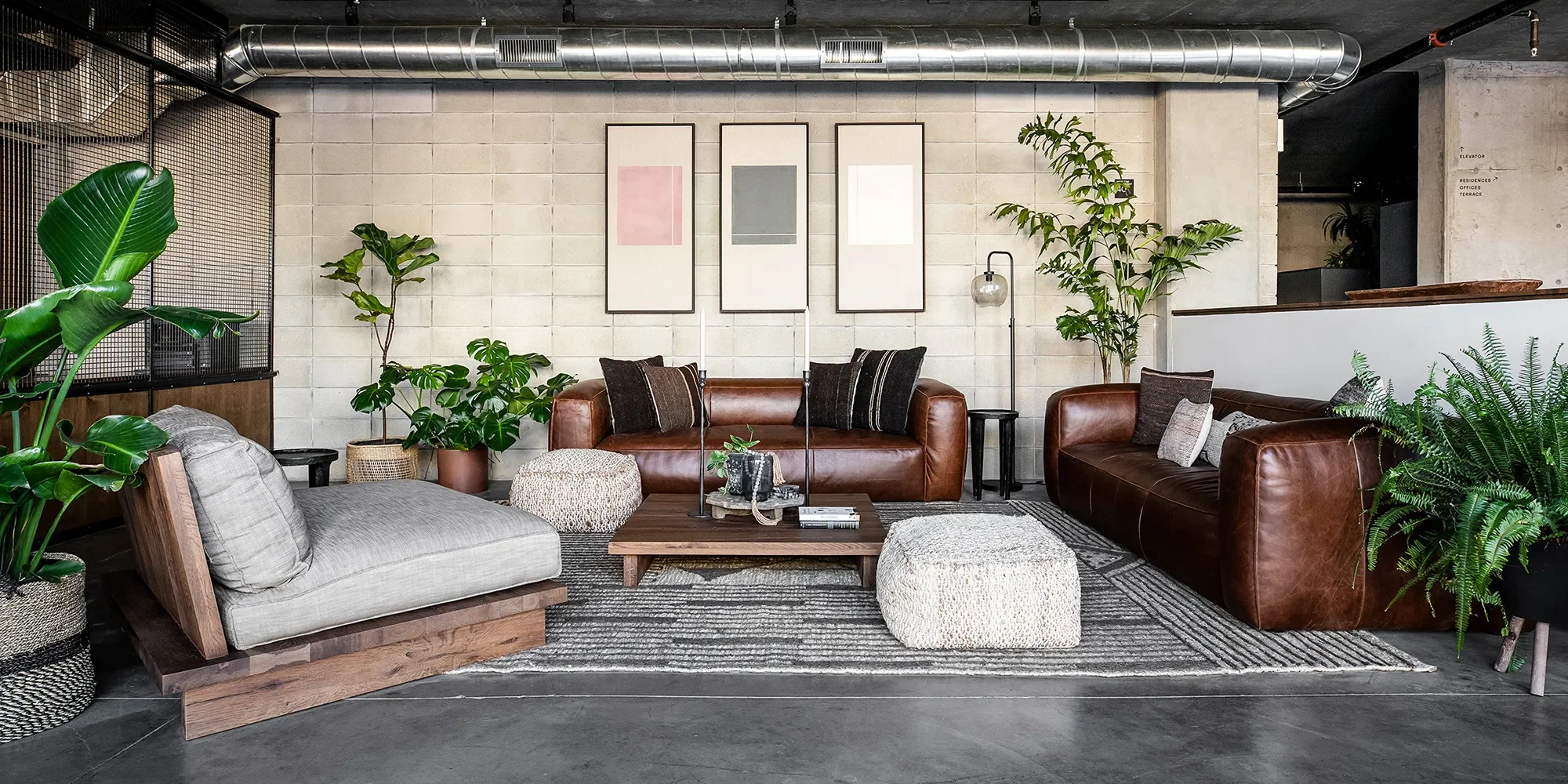
Why San Diego Multifamily Design Needs More than Good Finishes
Tour a new apartment building in San Diego lately and you already know the baseline is high. Rooftop decks, co-working lounges, polished finishes, a leasing agent who knows every inch of the property. All of it is expected now.
So what actually makes someone sign a lease, and what makes them want to stay? After years of multifamily work across San Diego, we keep landing on the same answer, and it isn’t more amenities. It’s connection. Connection to the space, to the people who live there, and to a sense of place that feels designed with intention rather than assembled from a mood board.
Designing for the Whole Resident Experience, Not One Room at a Time
There’s a version of multifamily design that treats every space as its own little problem. Lobby, done. Rooftop, done. Hallways, fine. Units, covered. The result is a building that functions but doesn’t quite resonate. Every space works on its own, yet together, they feel generic.
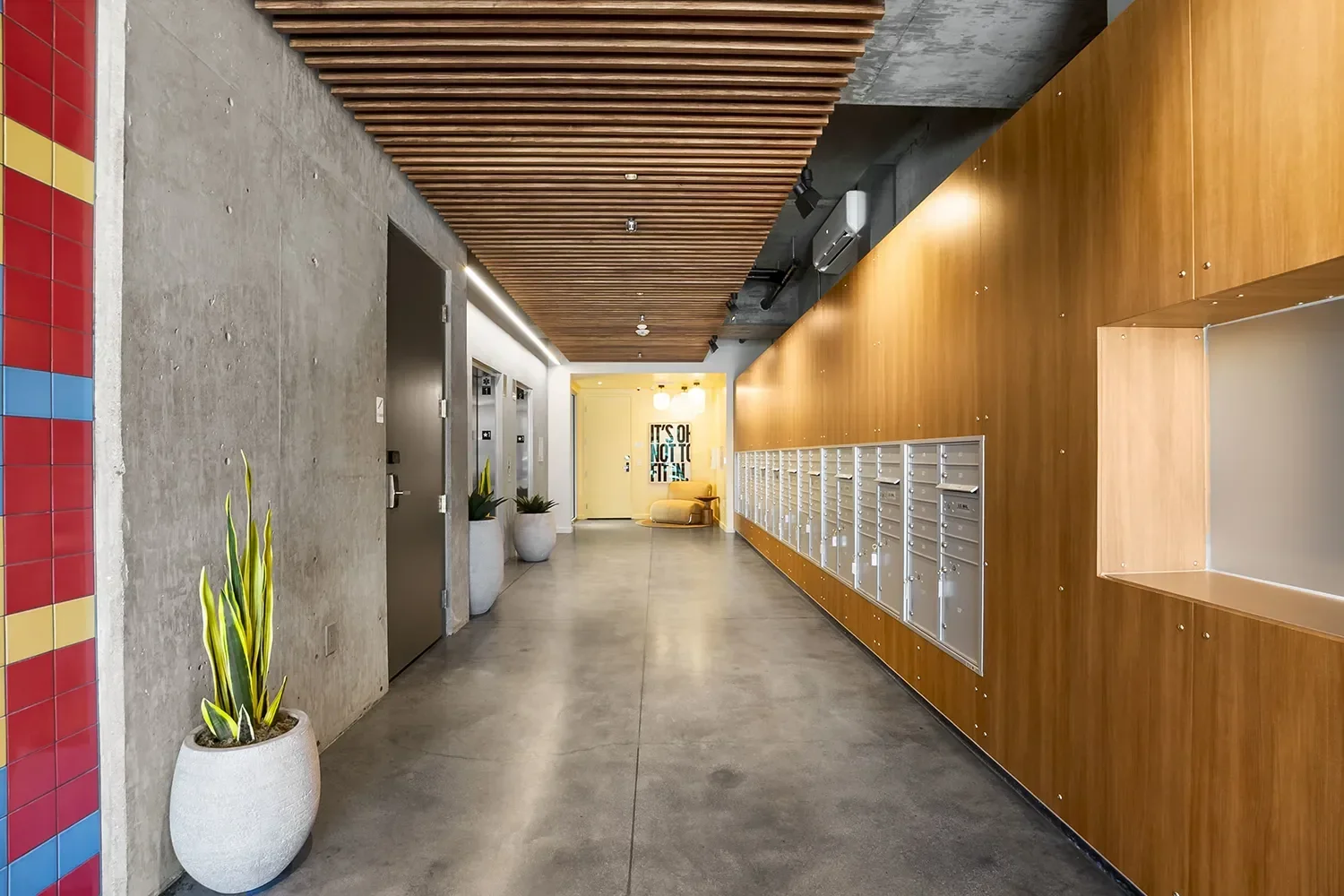
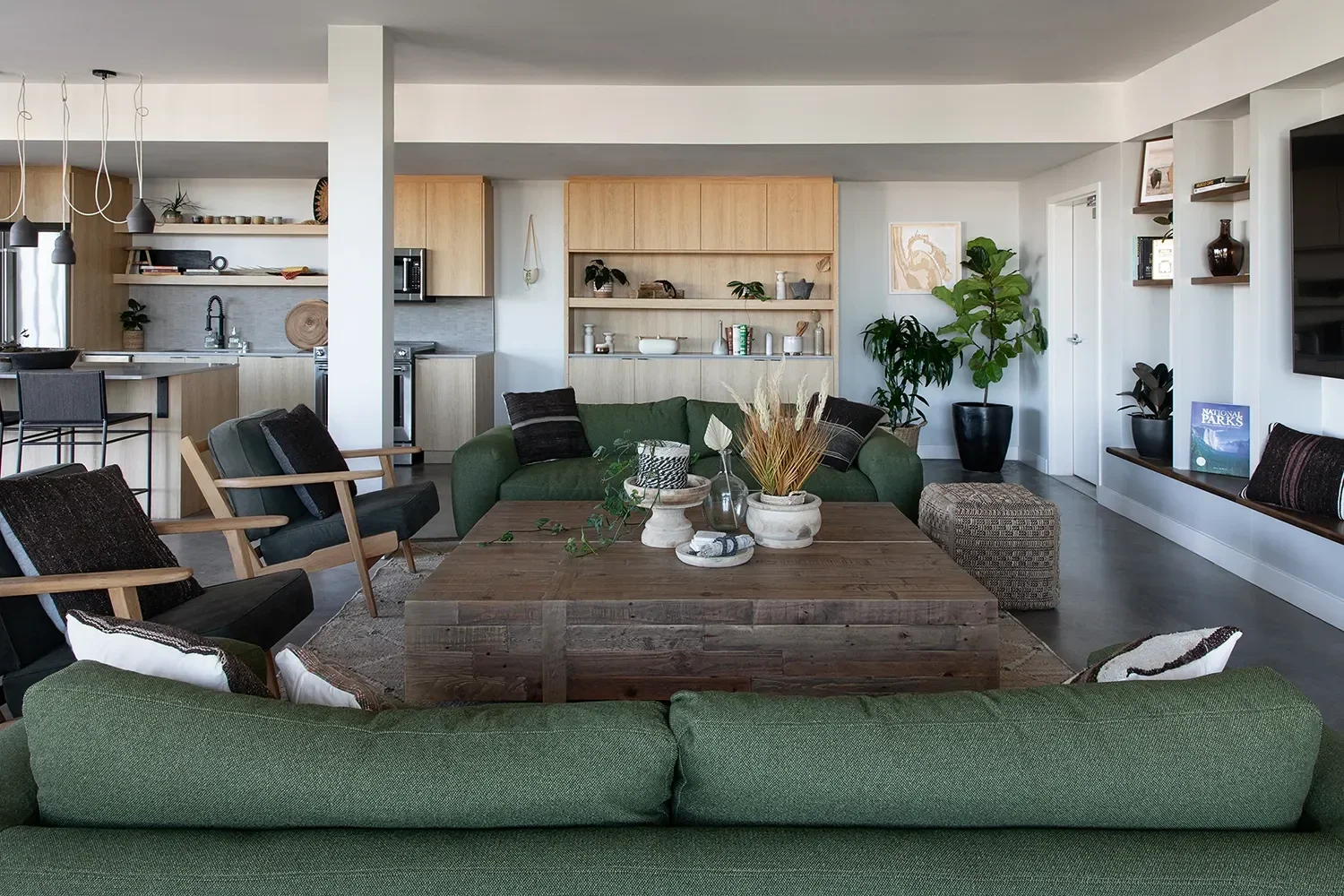
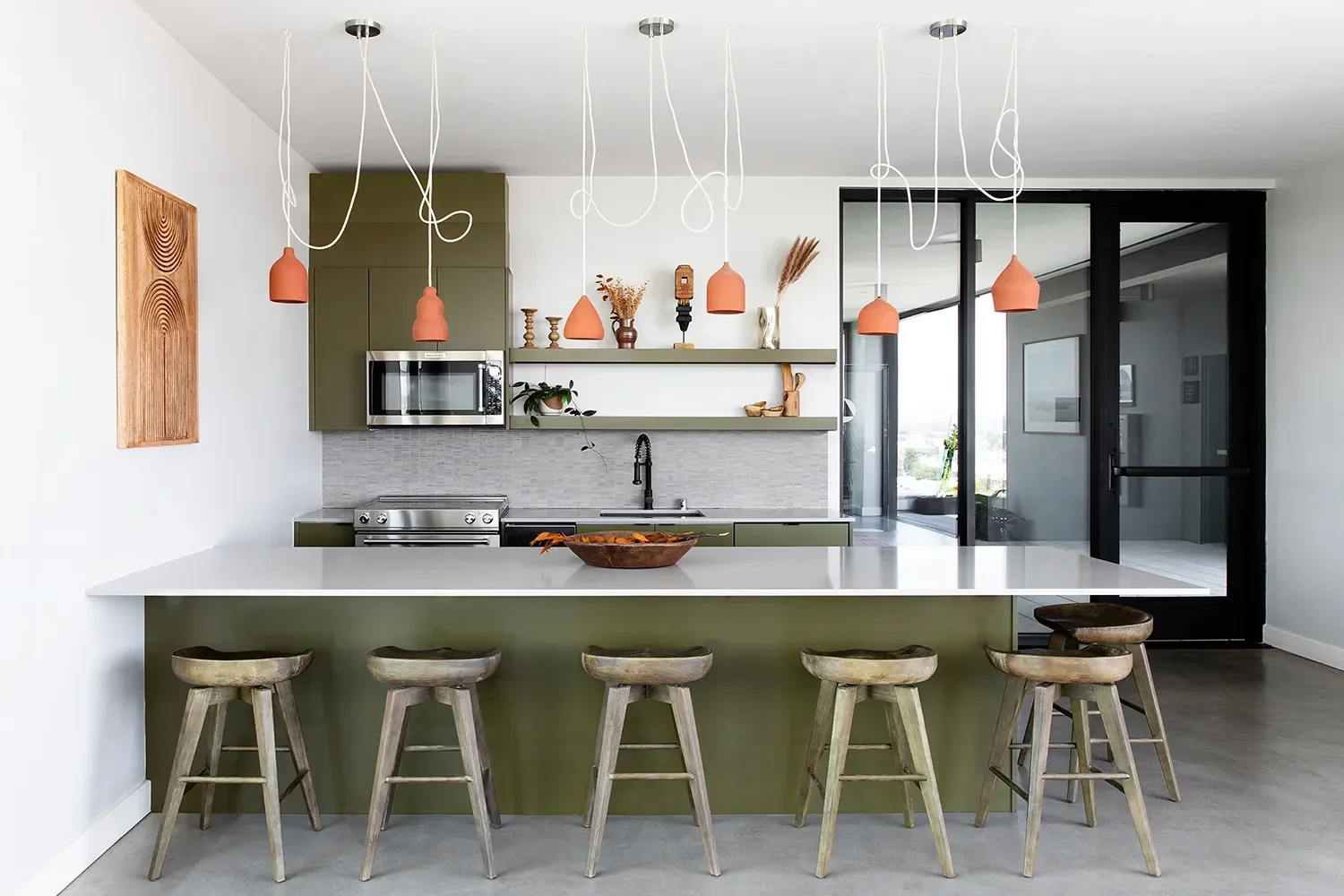
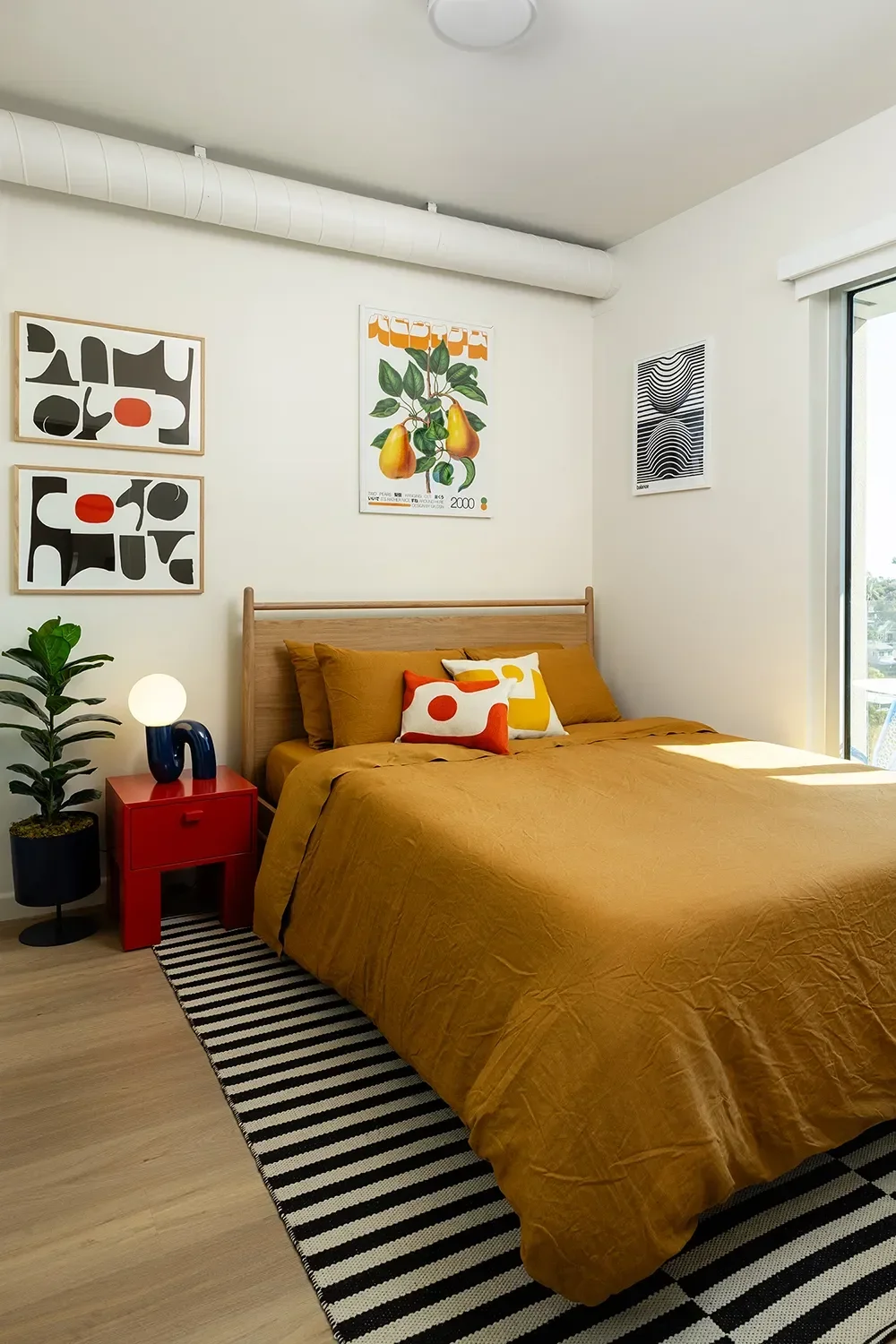
Resident’s don’t experience a building one room at a time. They move through it as a sequence, from the front door to the moment they close their own door behind them. When that sequence holds together, people feel it, even if they couldn’t tell you why. That’s the difference between a building that rents and a building that people actually want to live in.
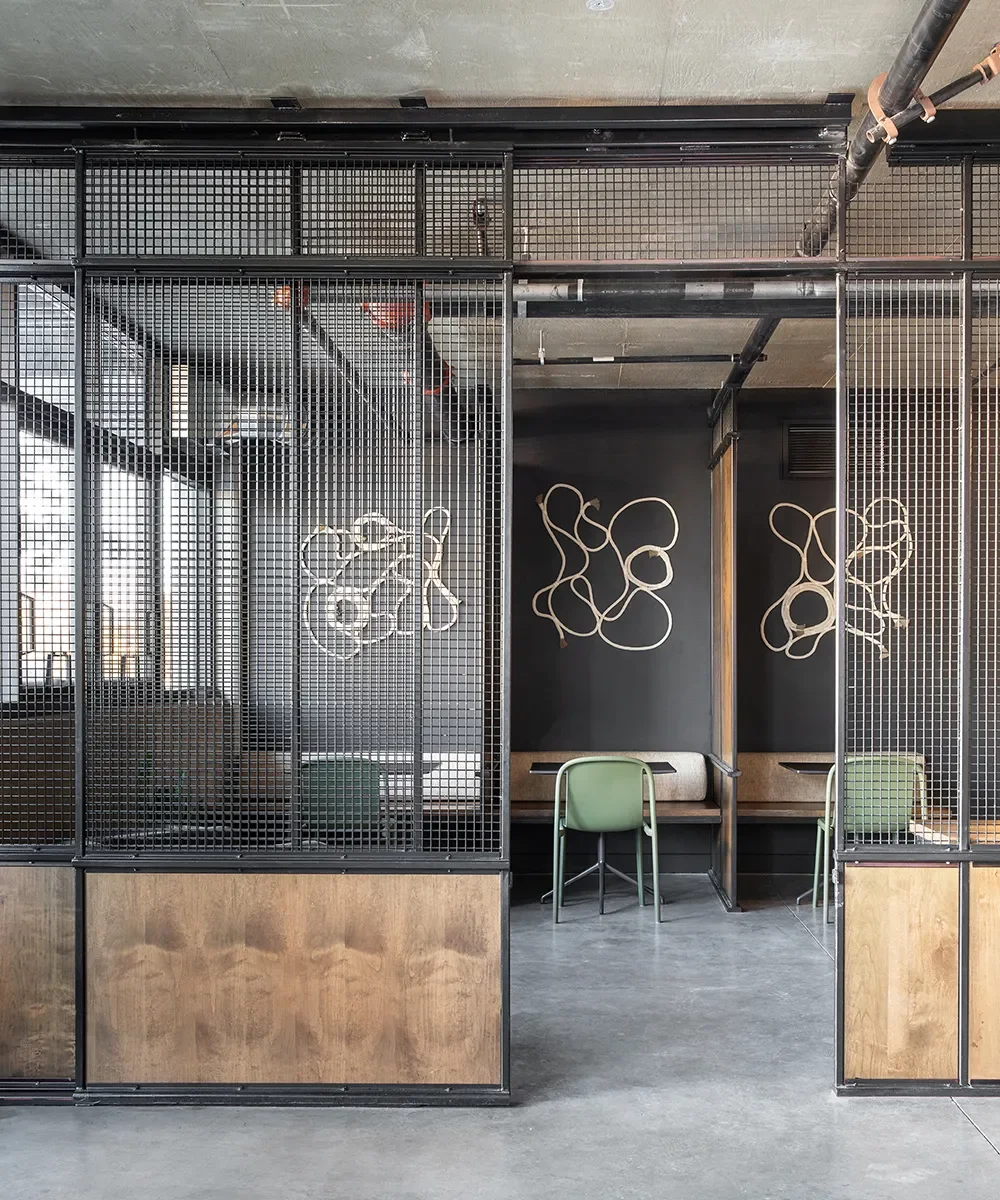
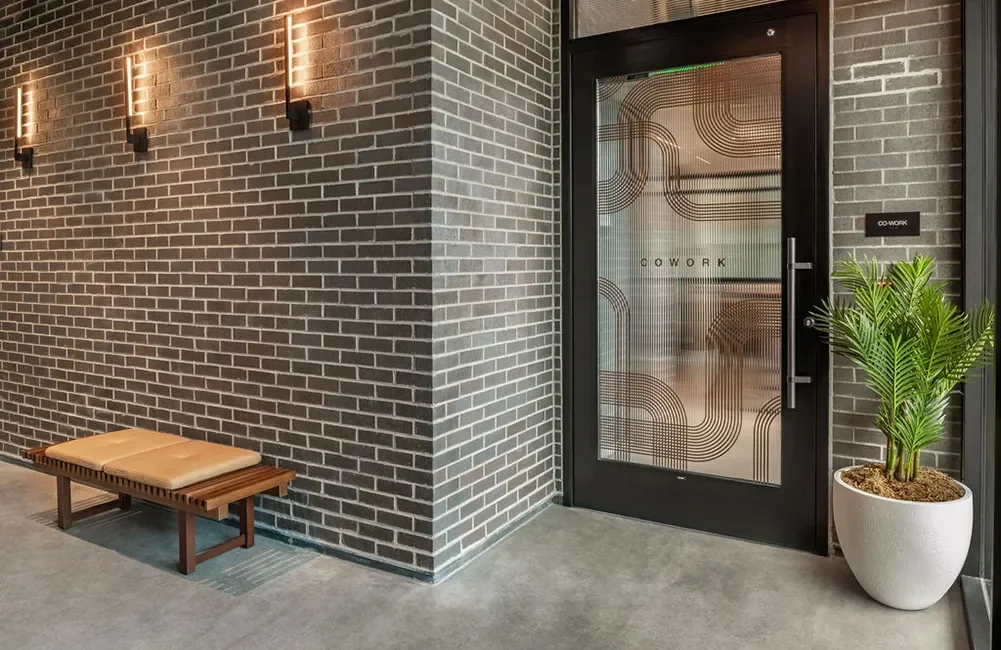
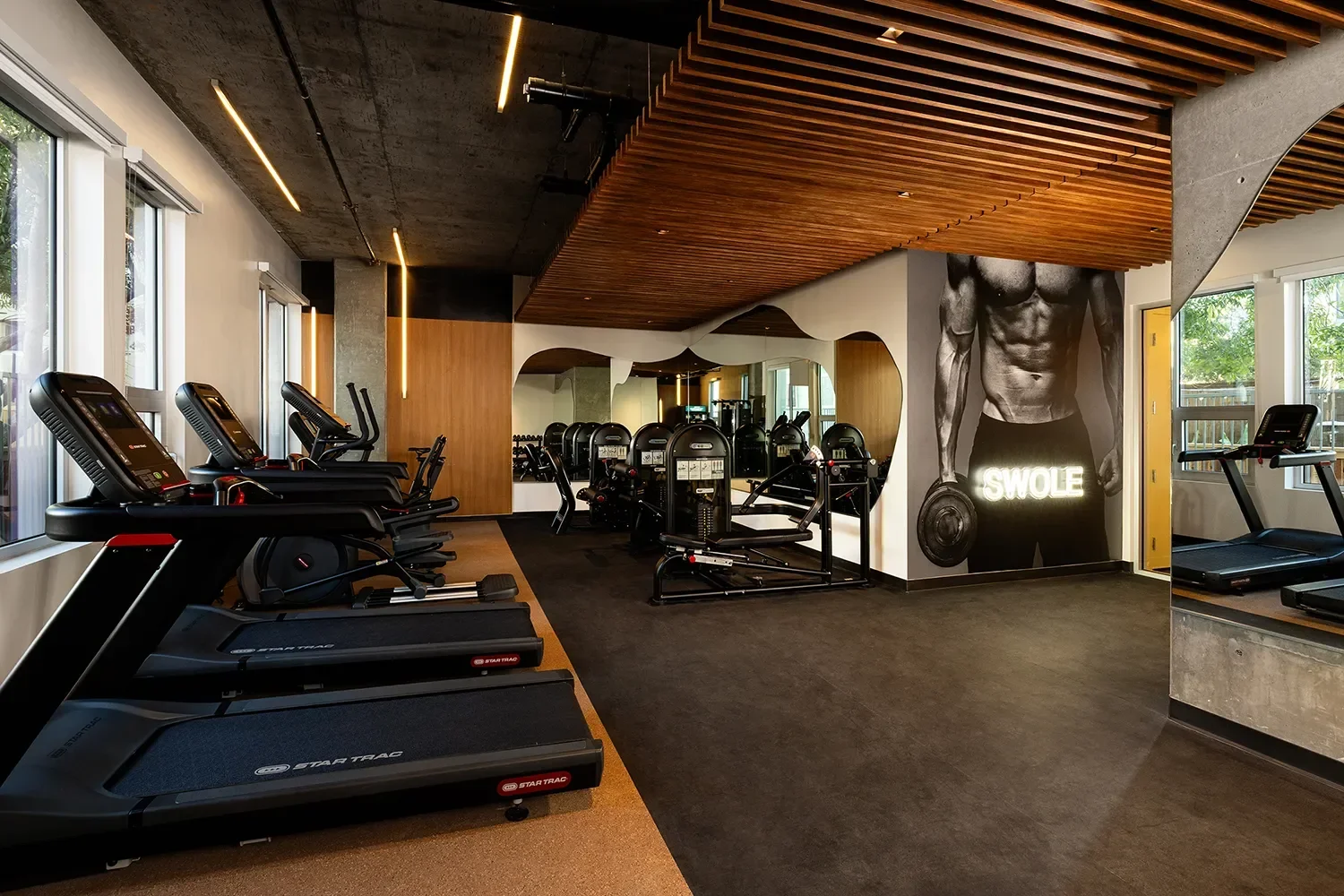
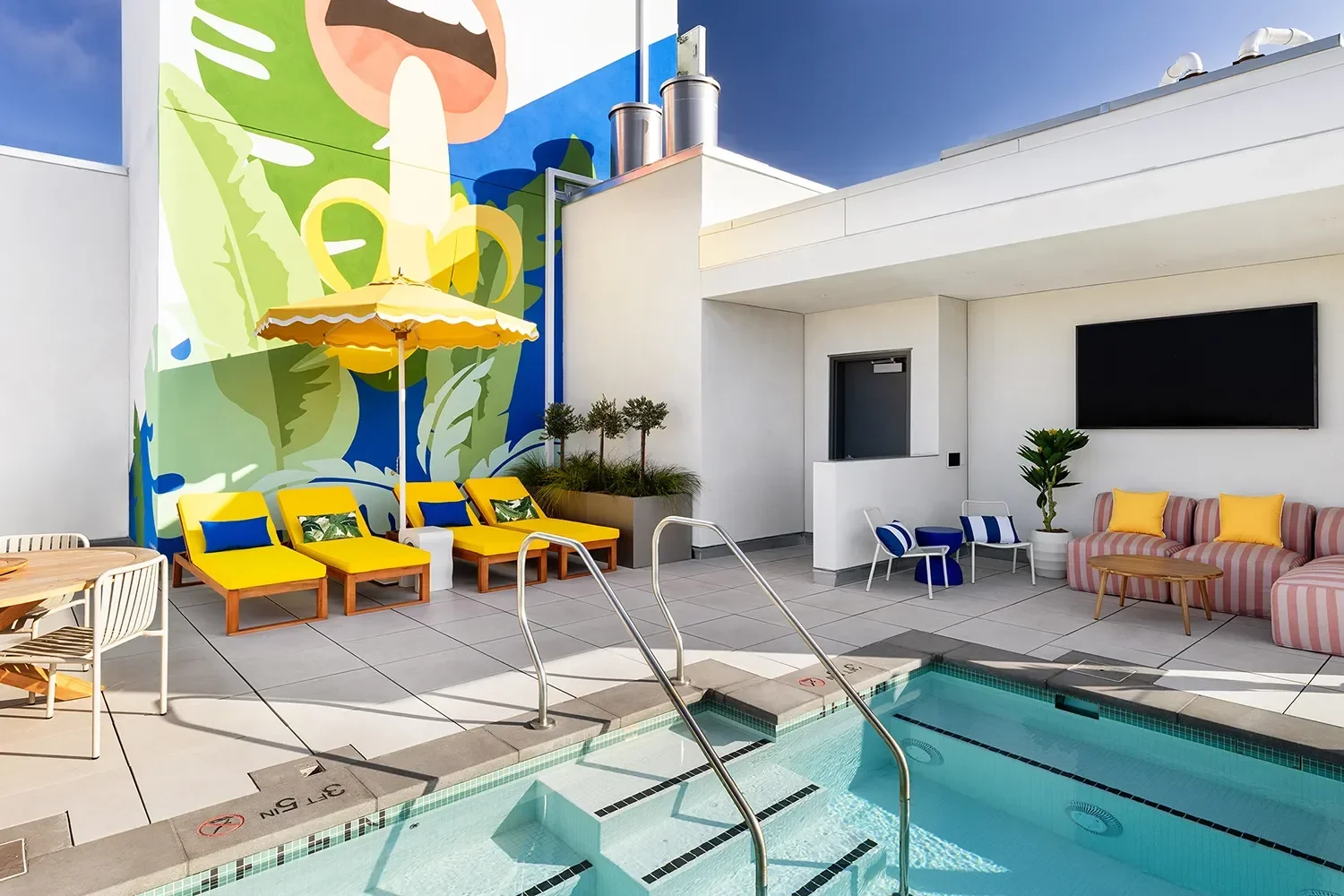
Multifamily Amenity and Common Area Design that People Actually Use
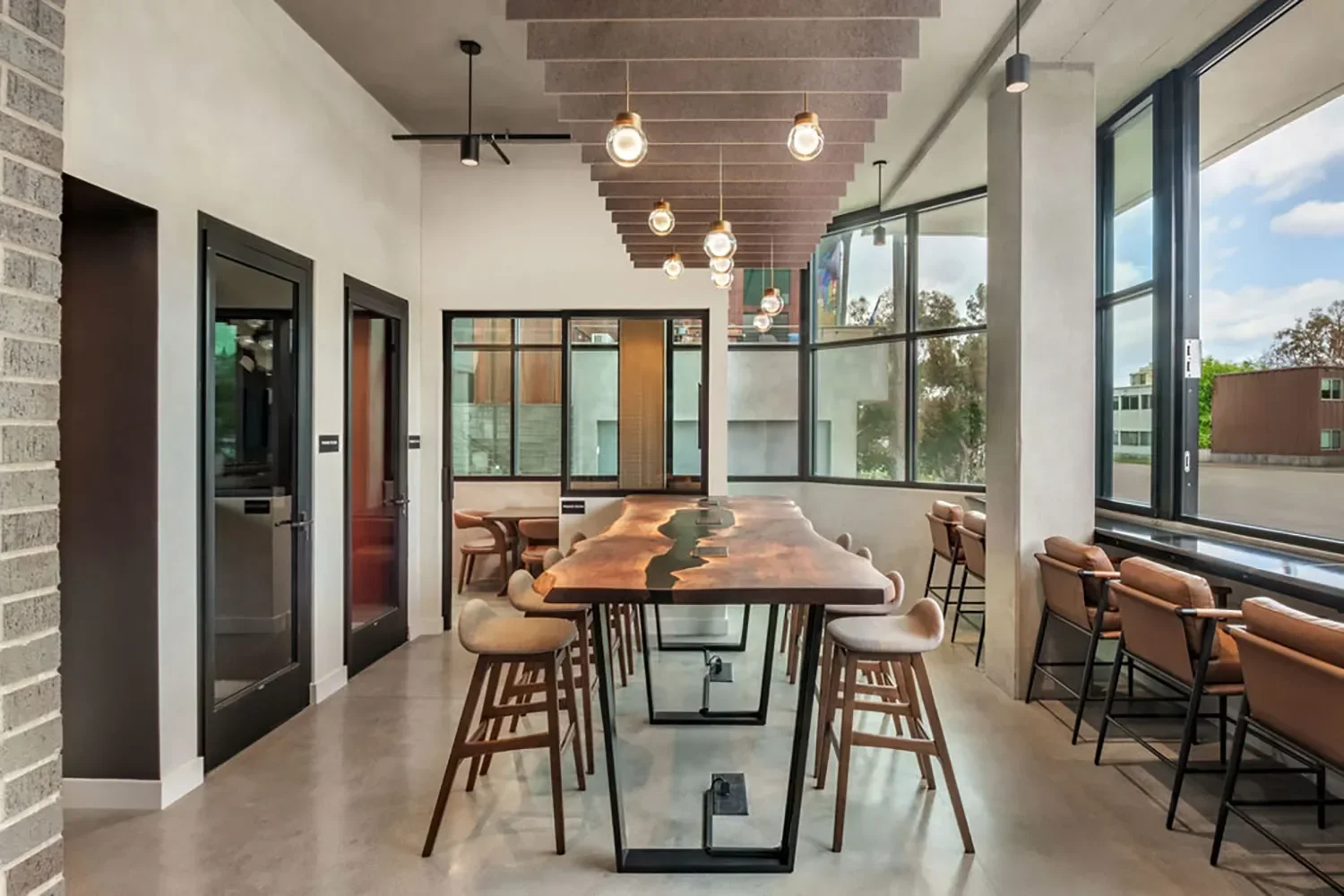
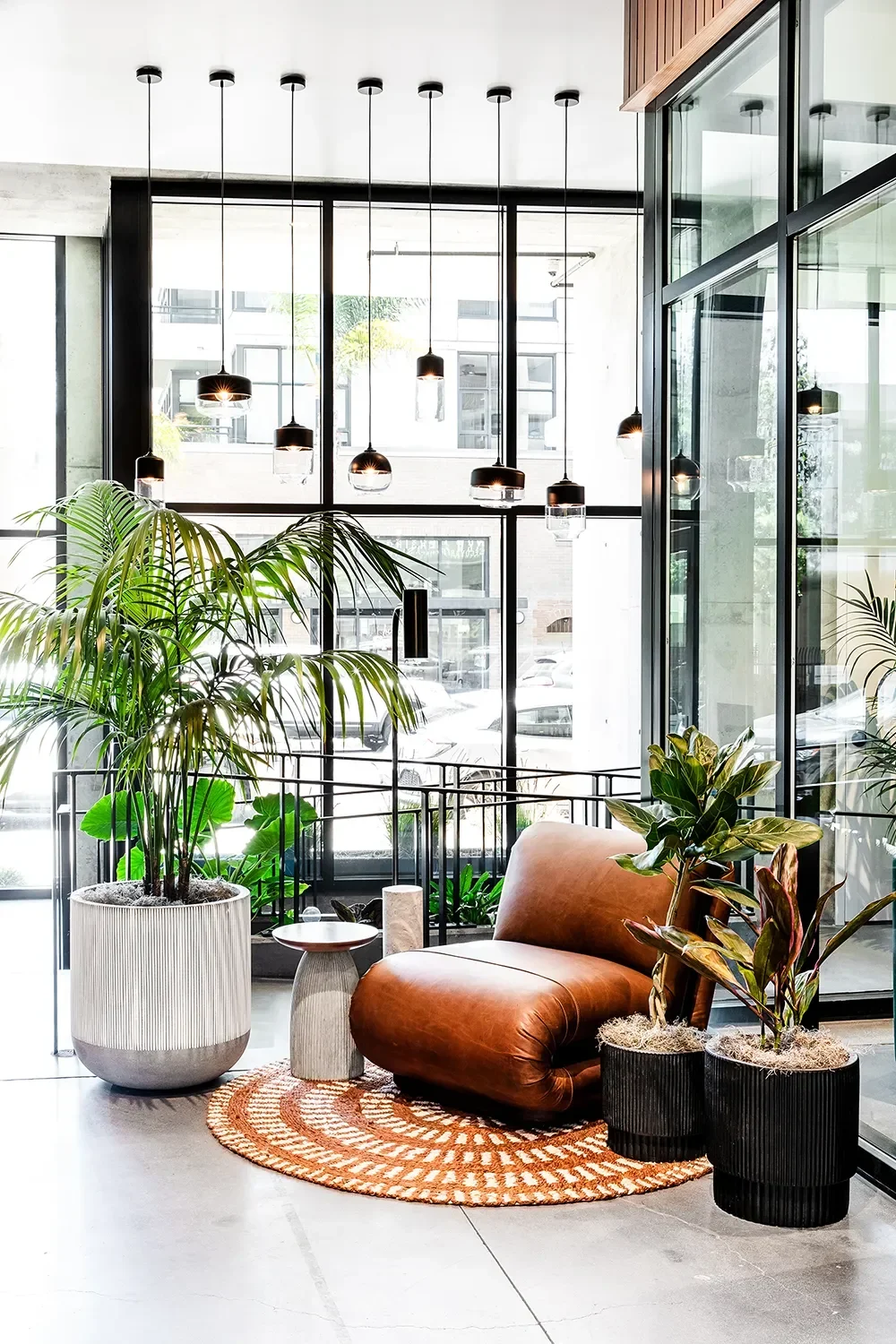
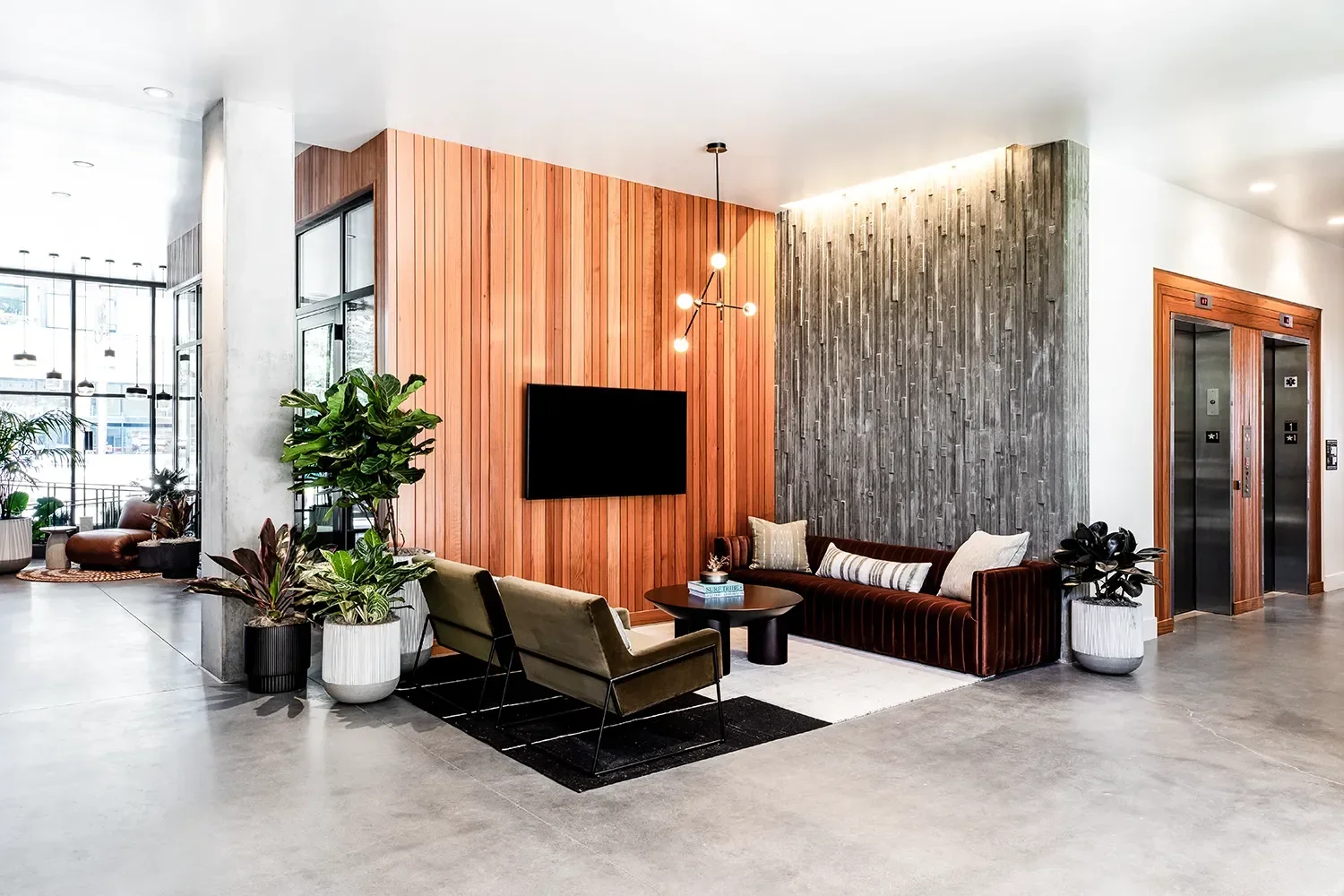
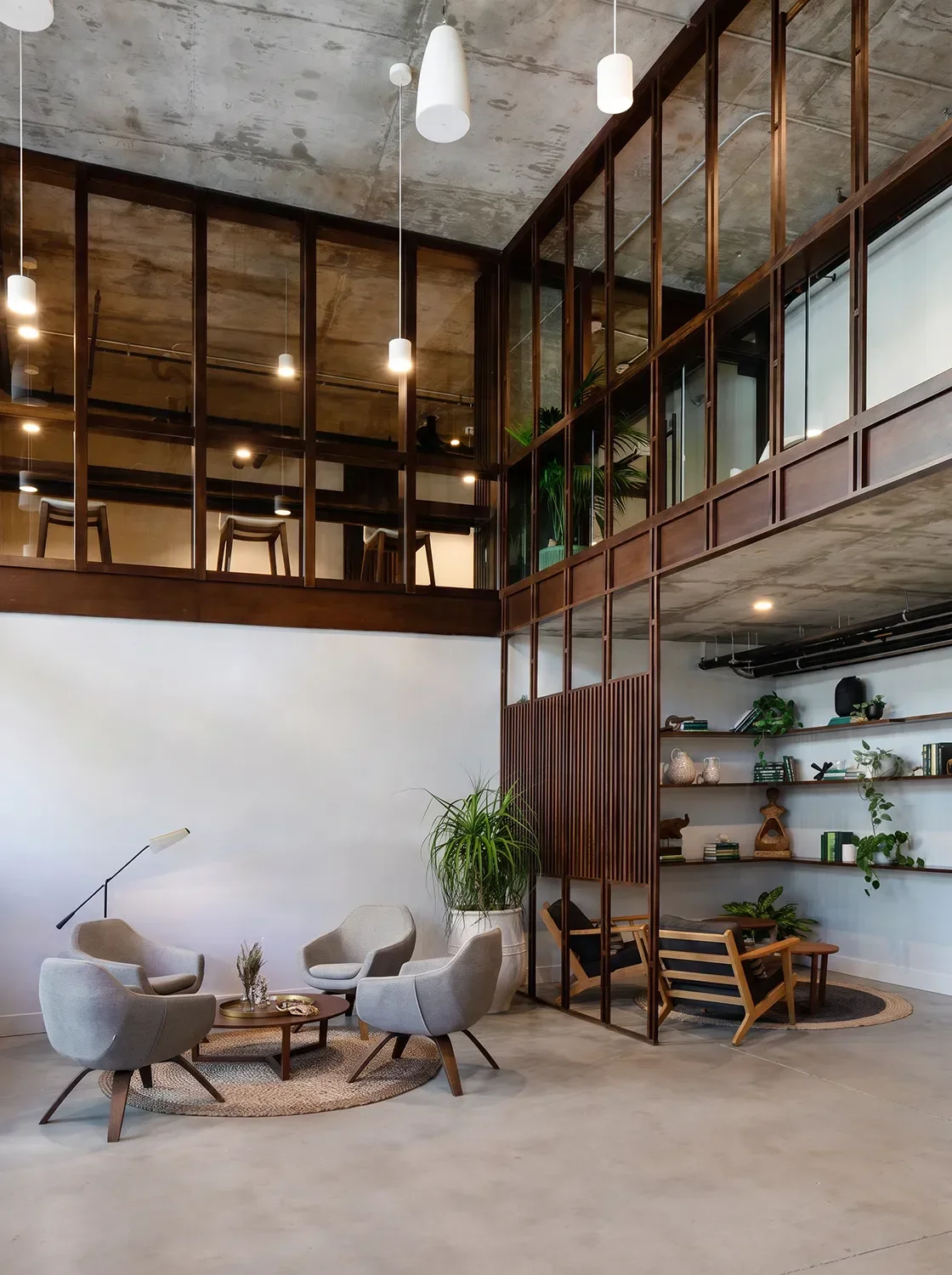
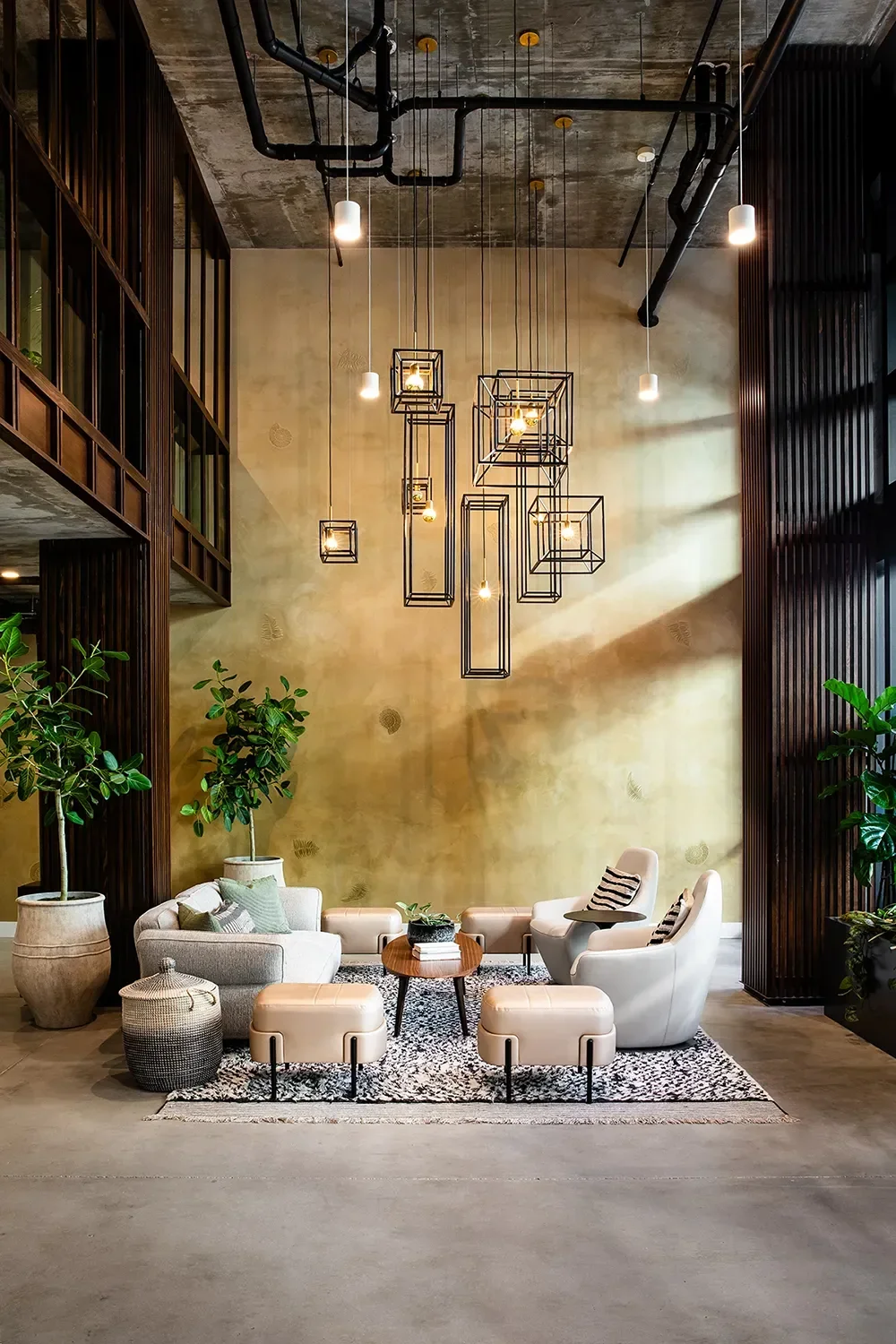
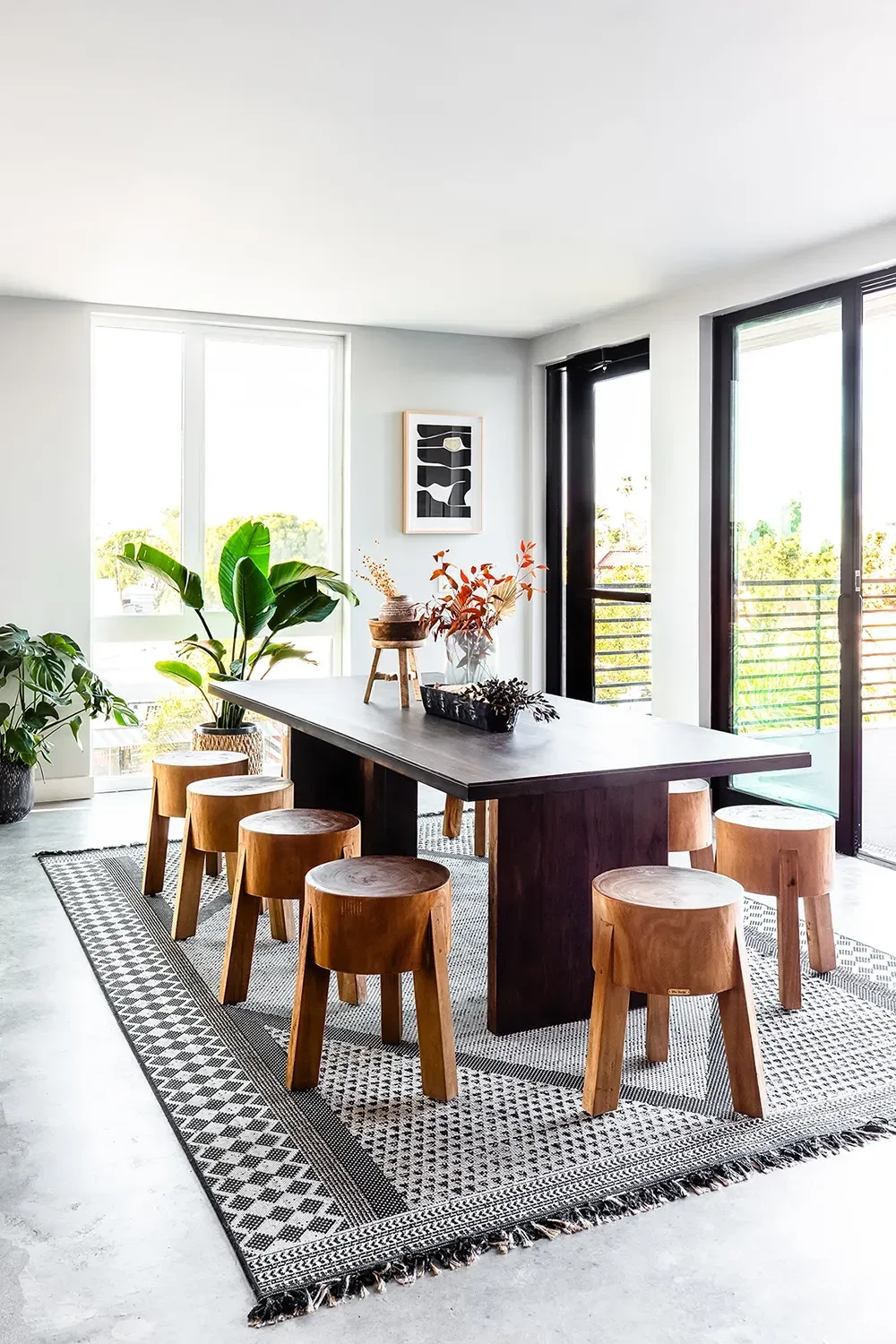
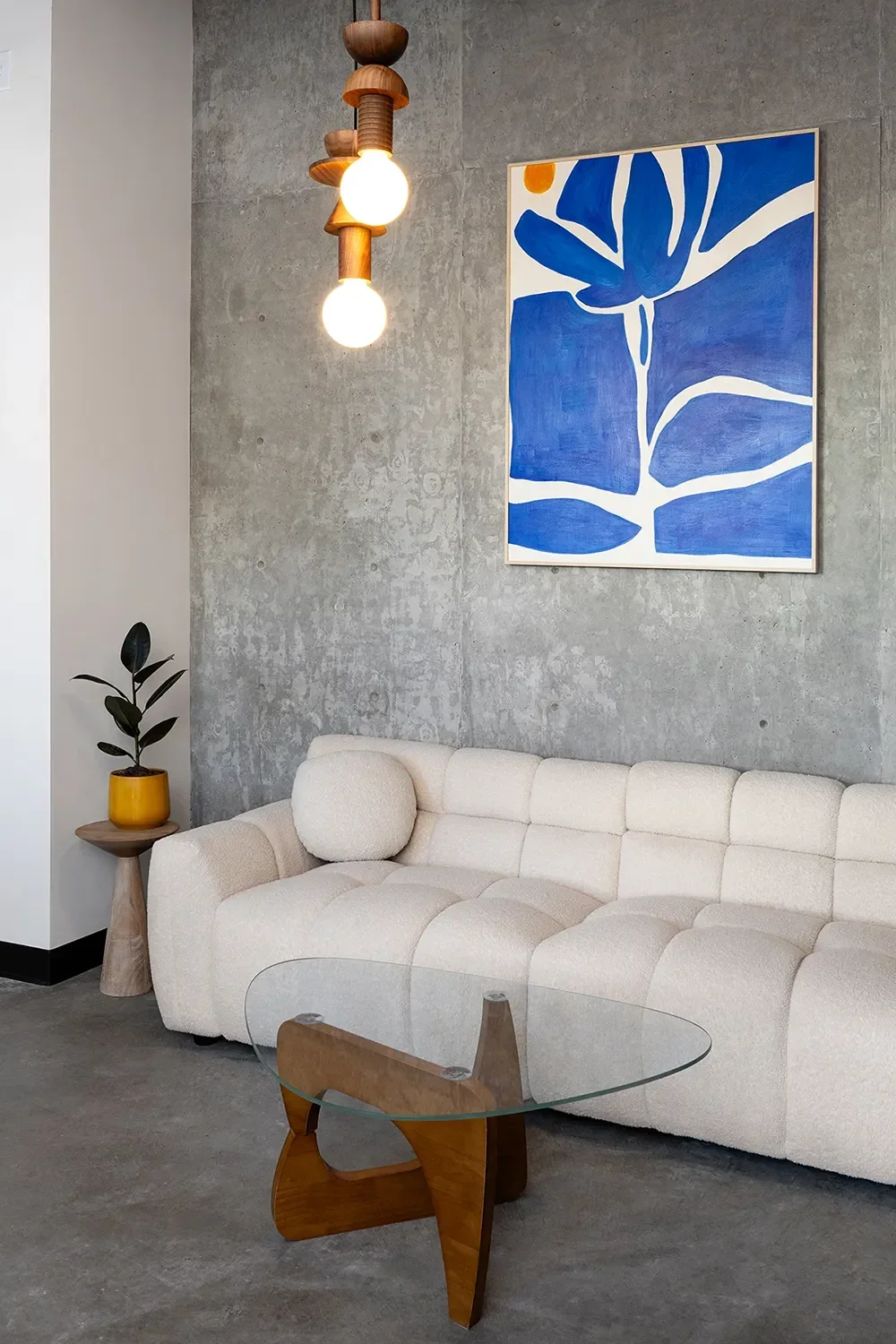
A lot of amenity spaces are designed for the photoshoot, and good photos do matter for listings… but a beautiful lounge that sits empty isn’t doing its job. The spaces that earn daily use are easy to settle into, lit for the evening and not just noon, and arranged so people can interact without being forced to. They feel like they belong to this building, not borrowed from a hotel lobby in another city.
Interior Branding for Multifamily Communities: More than a Logo
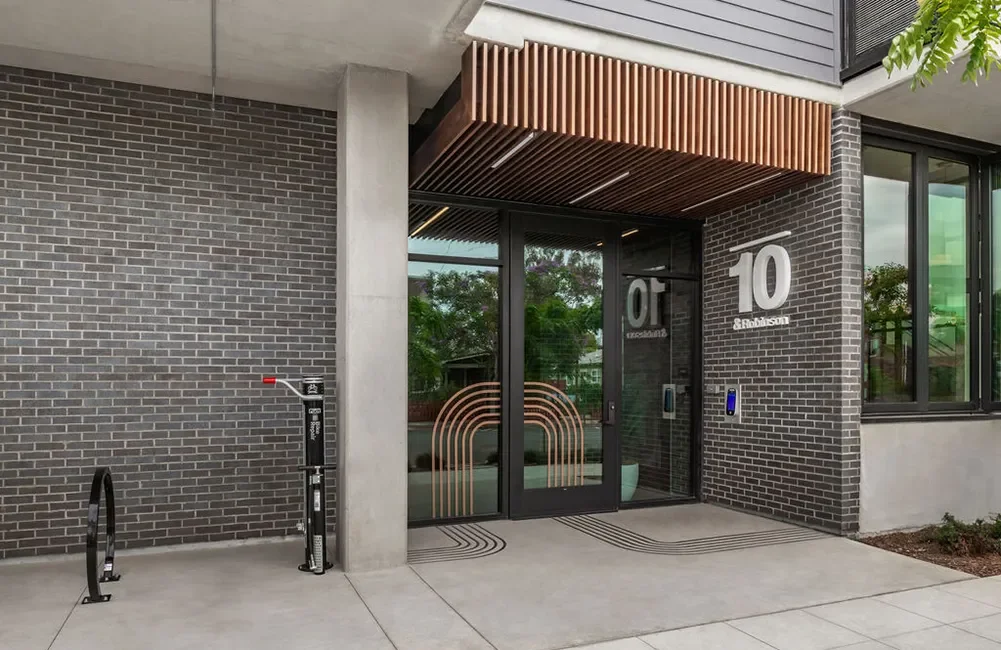
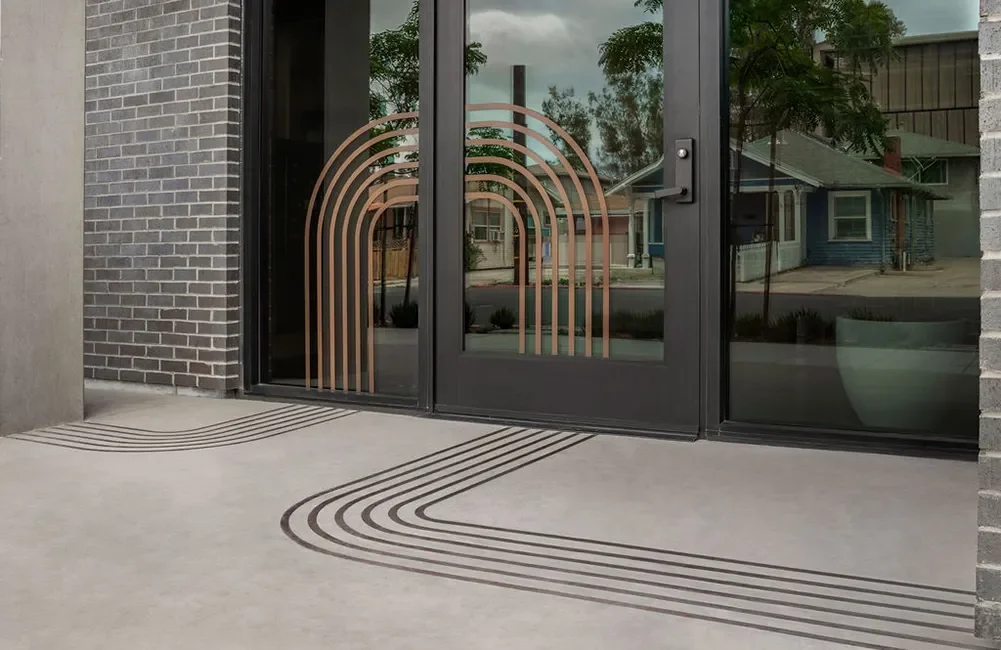
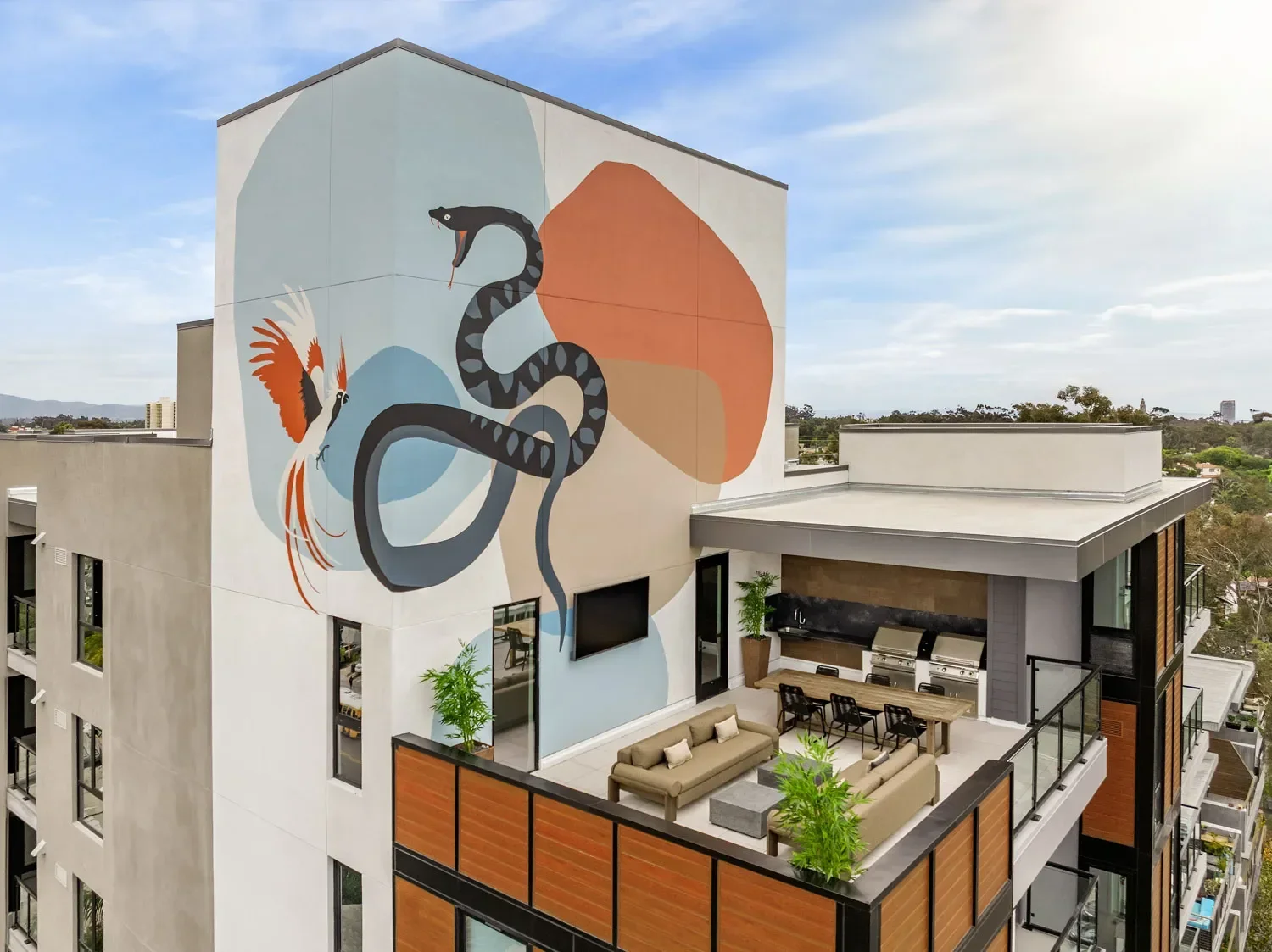
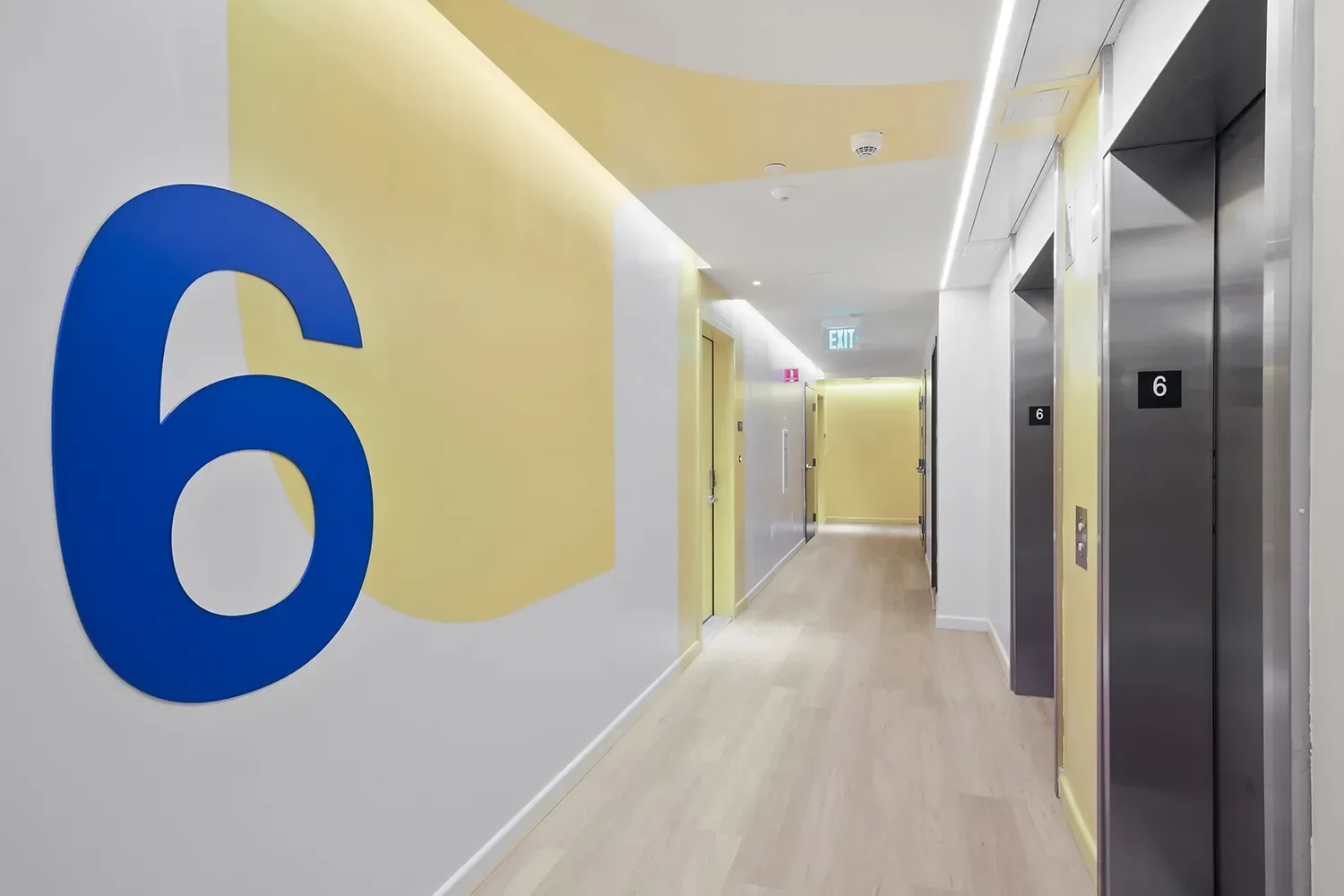
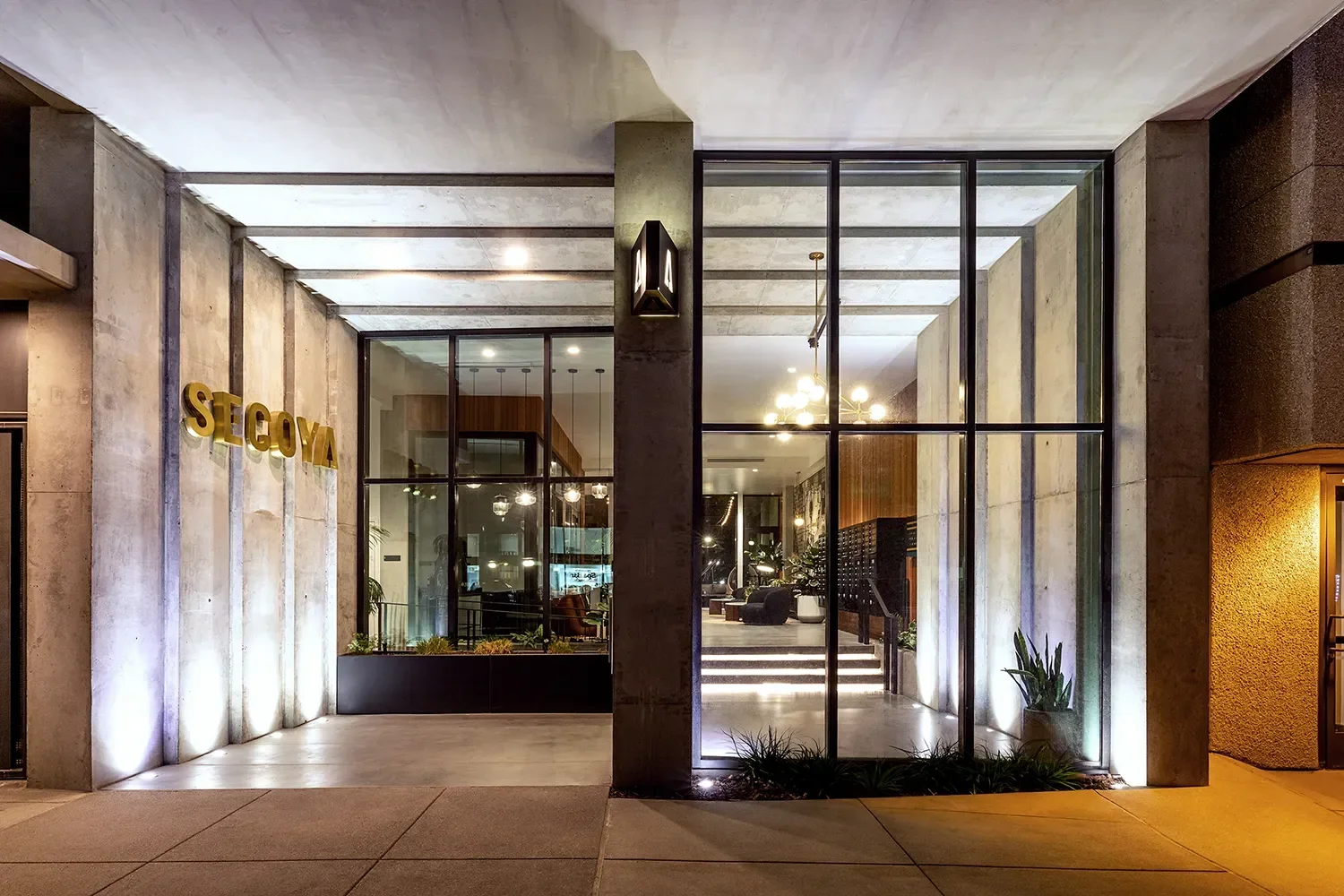
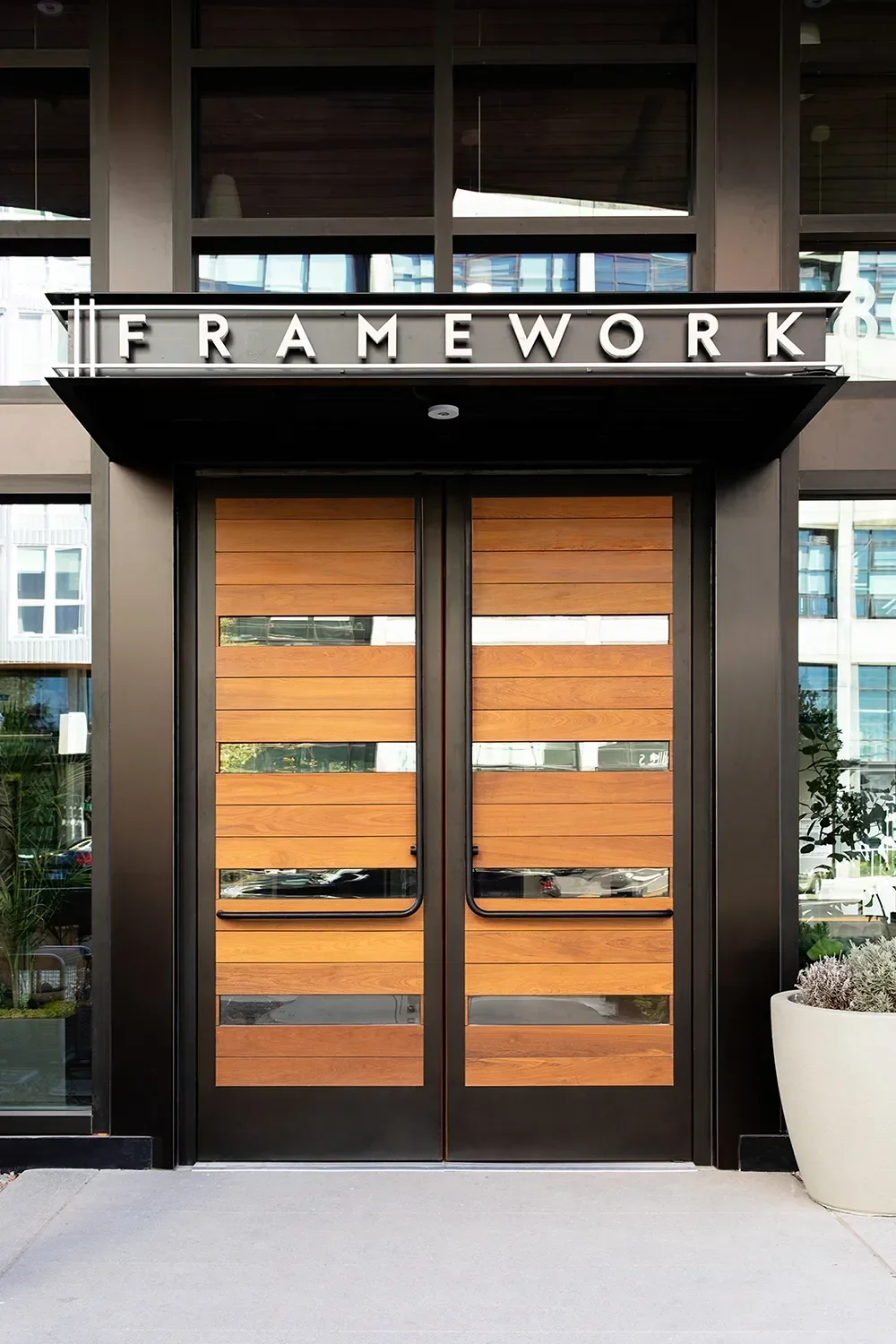
Branding that shows up only at the end, a sign package or a lobby mural, isn’t really a brand. Real interior branding is built in from the start. It lives in the door hardware, the rhythm of lighting down a hallway, the way one material gives way to the next. When it’s working, the building has a point of view you feel the moment you walk in, and that identity is easier to lease and easier to remember.
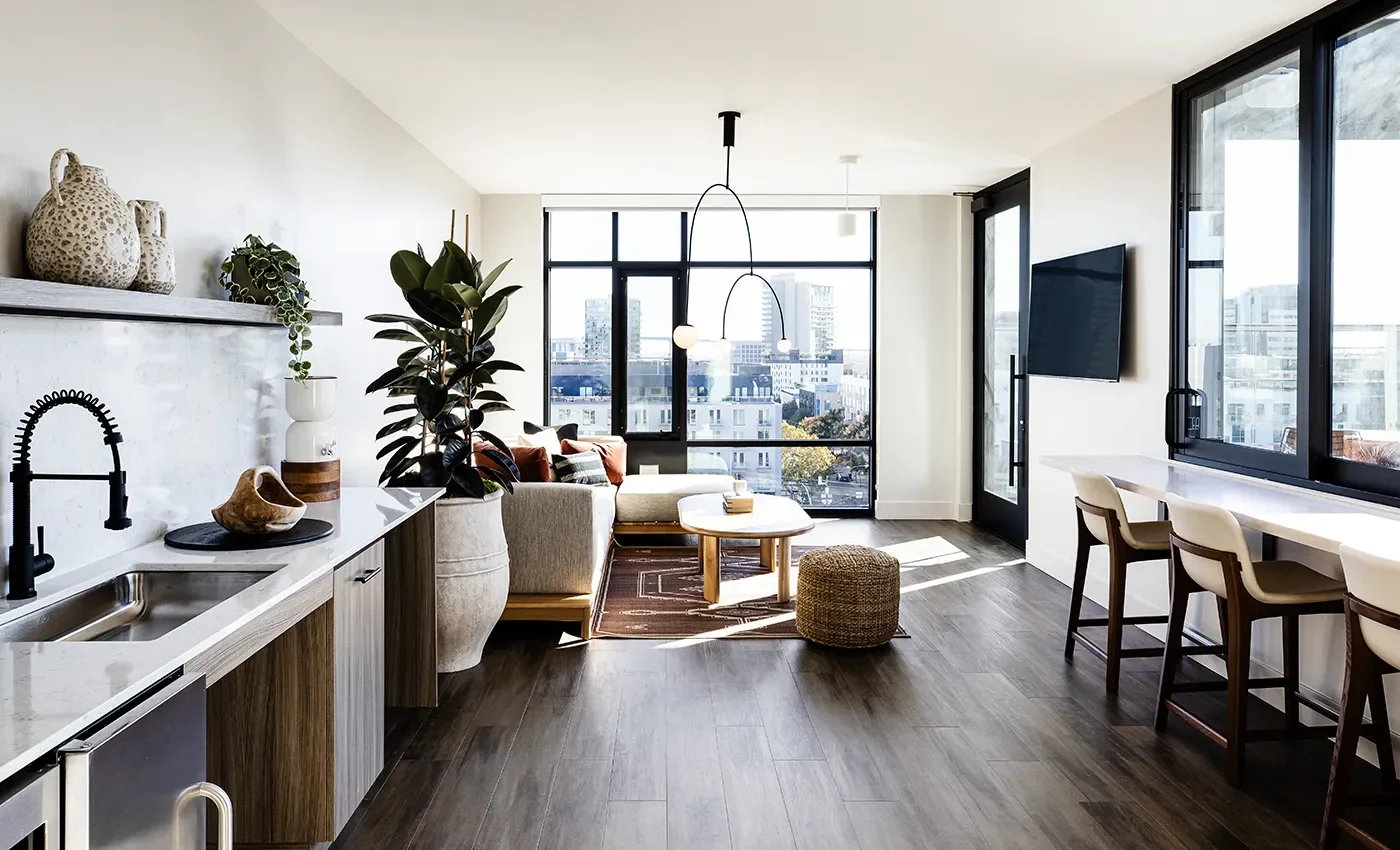
First impressions come from big gestures, but leases are won in the follow-through. People are drawn to coherence, and that coherence turns into pride.The Business Case for Thoughtful Multifamily Design in Southern California
Across Southern California, this is as much a performance conversation as an aesthetic one. Buildings designed around connection and a cohesive identity least faster, photograph better, and retain residents, which matters most in a market where turnover is expensive. So every project starts with one question: how does it feel to actually live here? Design for that, and the leasing tends to take care of itself.
FAQ
-
The earlier the better! When interior design is part of the conversation during programming and early concept, decisions about flow, materials, and the amenity spaces get made with the whole resident experience in mind instead of reverse-engineering later. Coming in once finishes are already specified still works, but there’s just less room to shape the bigger moves.
-
Yes, regularly. We coordinate with the architect, the GC, and the development team so the interior intent carries through documentation and construction without getting watered down. Strong coordination early is usually what keeps the finished spaces matching the original concept.
-
It varies by project, but it generally spans the spaces residents and prospects move through: the lobby and leasing areas, amenity and common spaces, corridors, and unit interiors. Alongside the spatial design, it can include material and finish selection, lighting, custom millwork design, and the furniture and decor.
-
Both! We design the spaces and can procure all of the elements that complete it.
-
Absolutely. We are no stranger to working outside of our home base, and love nothing more than to get to expand our design and creativity beyond our surroundings!
Want more of Tecture’s design insights?
Sign up for our newsletter to get regular updates sent directly to your inbox.
